Outline
Part 1: The Rise of Cultural Consumer Brands in a Changing America
Pillars of a “cultural-cpg” brand
Key strengths
Underlying trends & supporting analysis
Highlighted success stories
Cultural CPG Investment Thesis
Challenges and conclusion
Part 2: Eight Investment Themes
Alternative & Ancient Grains
Heritage Staples
Fermented and Alcoholic Cultural Beverages
Global Spices & Seasonings
Traditional Beauty and Wellness Systems
Superfoods with Cultural Roots
K-Beauty
Textured Hair & Melanin-Rich Skincare
Part 3: Cultural Innovation Framework
Four core indicators for identifying disruption opportunities
Part 4: Standout brands
Specific brand examples across all eight investment themes
Part 1: The Rise of Cultural Consumer Brands in a Changing America
Introduction
America’s consumer landscape is undergoing a profound transformation. As the nation grows more diverse, heritage-driven consumer packaged goods (CPG)—products rooted in specific cultural traditions, often founded by underrepresented entrepreneurs (those of Black, Asian, Latino, Middle Eastern, or Indigenous descent)—are emerging as powerful engines of innovation and growth. Markets once considered “niche” are fast becoming mainstream. And these culturally inspired brands are poised to tap into the needs of increasingly multicultural consumers who crave authenticity, inclusivity, and products that reflect their identities.
It is necessary to point out the obvious irony in today’s retail and investment landscape. As of mid-2025, major retailers, including Target and Walmart, have publicly rolled back their DEI commitments launched after the murder of George Floyd. These rollbacks have triggered investor backlash, legal scrutiny, and consumer boycotts. Importantly, these roll backs still happened in the first place. And if we take another look at the state of venture capital and investment for diverse entrepreneurs, the numbers themselves underscore this story. In 2023, Black founders received just 0.48% of all venture capital—a sharp decline from the 1.3% they captured in 2021, showing that even modest progress has reversed. This funding lapse creates a massive disconnect: while multicultural consumers wielded nearly $7 Trillion in buying power in 2025, and cultural brands achieve billion-dollar exits, the very entrepreneurs who understand these markets remain systematically undercapitalized.
This paper is concerned with the concept of “Cultural-CPG” in the American context. This thought leadership explores what defines cultural CPG brands, examines their remarkable success stories, analyzes the demographic and generational forces driving their growth, underlines 8 specific investment themes of high interest for myself as an investor, and attempts to highlight several standout examples of brands in this space.
My name is Tyler Ennis, and You may reach me directly at any of my socials @bipoccpg.
What is a “Cultural” or Heritage-Driven CPG Product?
Cultural CPG brands are companies deeply informed by a particular cultural heritage. This shows up in their ingredients, founding team, branding, mission, or target demographic. Unlike generic mass-market goods, cultural CPG offerings carry the flavors, stories, and values of the communities that inspired them. A “cultural CPG” product embodies cultural heritage at every level of the brand’s essence, making them personal and meaningful to consumers.
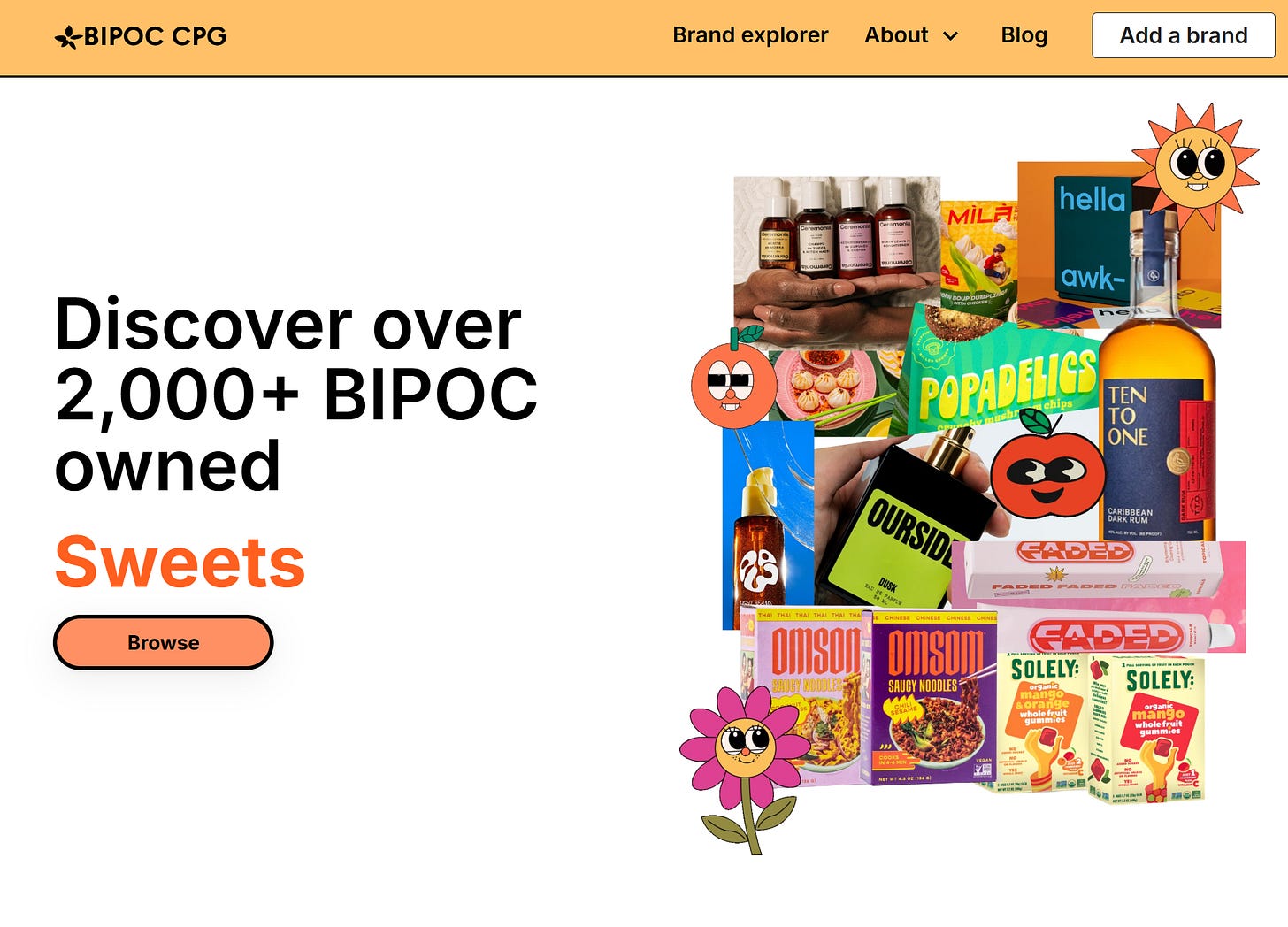
It is not necessary that every brand features every one of these traits, but in my experience manually cataloging thousands of CPG companies for my website www.bipoccpg.com, I’ve observed a few standout themes that resonate across the group. Here I attempted to summarize the four key traits that tend to distinguish these products and the companies behind them from others:
1. Authentic Ingredients & Traditional Techniques
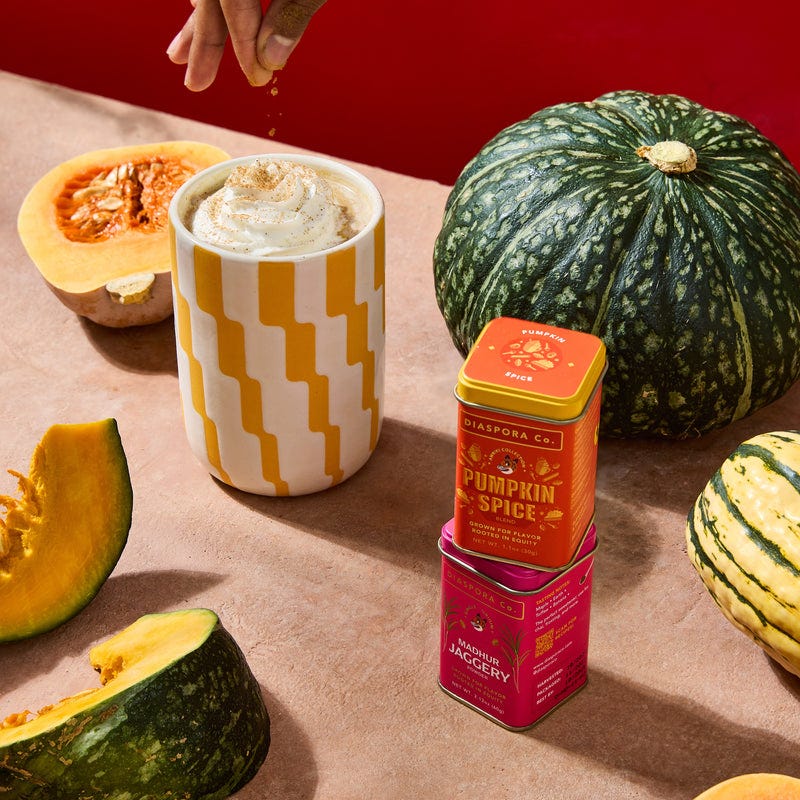
Heritage-driven brands often use ingredients traditional to a specific culture or revive age-old recipes in modern form. Consider Diaspora Co., a premium spice company sourcing single-origin turmeric, cardamom, and other spices directly from small farms in India. They have redefined and reclaimed the western spice aisle by offering quality ingredients and educating consumers on decolonizing their spice cabinets while paying fair wages to farmers. The product isn’t just a spice jar; it’s a story of South Asian culture and equitable sourcing.
We source 30 single origin spices from 150 farms across India and Sri Lanka. We’re proud to pay our farm partners an average of 6x above the commodity price. - Diaspora Co.
Many cultural CPG brands differentiate themselves through preparation methods passed down through generations—such as nixtamalization for corn masa, fermentation techniques for foods and beverages like Tepache, or hand-crafting processes that large factories don’t replicate. These methods can often improve quality or nutrition beyond what industrial processes can achieve.
2. Storytelling and Brand Transparency
Cultural CPG brands often center their founders as visible storytellers—an approach that feels both authentic and earned because the founders are creating from within the cultures they represent. Their lived experiences are not just marketing copy; they are the blueprint for the product itself. This transparency builds trust and resonance with consumers who see their own identities reflected in the brand’s origin story.
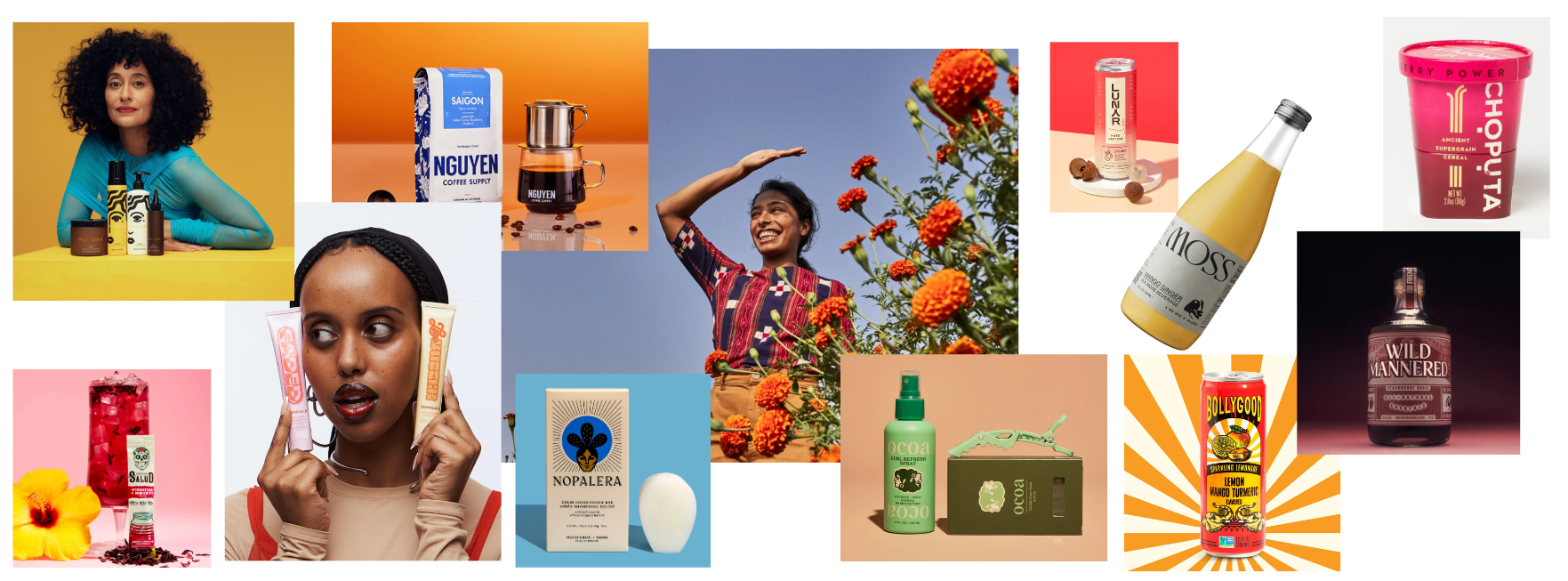
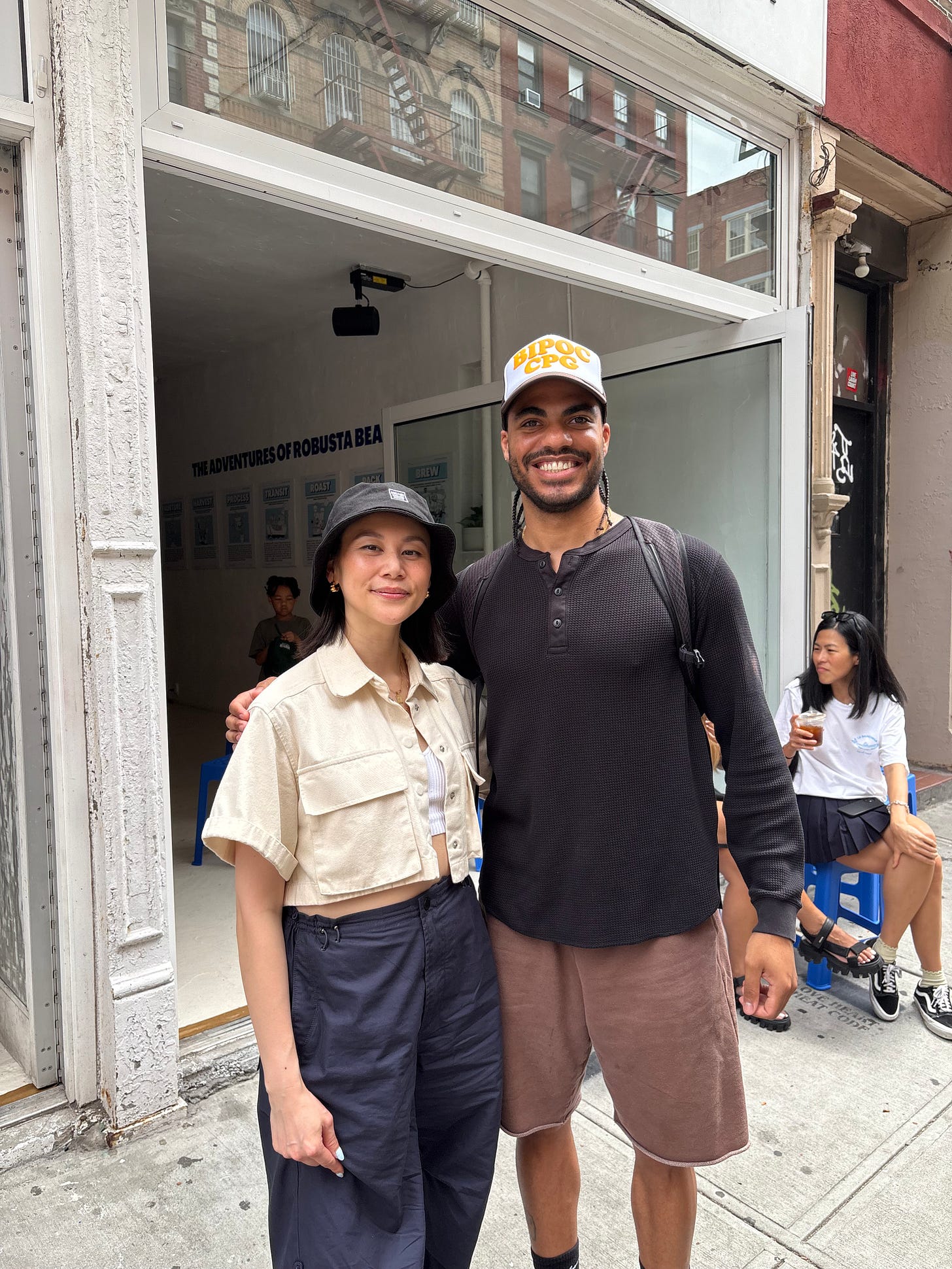
Let’s take a look at a few examples. Nguyen Coffee Supply was founded by Sahra Nguyen to reclaim the narrative around Vietnamese coffee. As a first-generation Vietnamese American, she proudly sources Robusta beans from Vietnam and uses traditional Phin filters to reintroduce a misunderstood coffee tradition. Nguyen’s visibility as a founder—appearing in marketing campaigns, press, and educational content— doesn’t feel forced. It feels like a reflection of her cultural ownership and passion. When you buy from Nguyen, you’re not just buying coffee, you’re helping rewrite who gets to be seen as premium.
Perhaps my favorite example of brand storytelling and transparency is I Love Chamoy. Founded by Annie Leal, a Mexican born entrepreneur based in Texas, the brand emerged from her frustration with explaining chamoy to non-Latino friends and the lack of quality options in mainstream stores. Leal’s approach is beautifully direct: she literally details her personal experience over the internet, constantly. It’s like watching a brand getting built in real time. Her personal story (growing up with chamoy as a staple, being inspired to create a low sugar version when her father was diagnosed with diabetes, or pouring all her savings into the first production run) and even the brand’s struggles (when $15,000 of product melted during shipping) becomes the company’s credibility. This authentic storytelling has resonated powerfully: I Love Chamoy has built a community of 121,000 Instagram followers and 400,000 Tik Tok followers across over 2,000 posts, creating a digital space where chamoy culture thrives. Leal has sold over $4M worth of product, by the way.
Sahra, and Annie are not just entrepreneurs, they’re cultural champions.
3. Mission of cultural inclusion
Heritage-driven brands often begin with a clear purpose: to fill glaring gaps in the American marketplace. These products emerge from a personal understanding of what’s missing, particularly for communities that have historically been excluded or underserved by the consumer economy. From pantry staples to personal care, many heritage-driven brands exist precisely because there was no suitable option on the shelf.
This mission-oriented approach is not about marketing to a trend, it’s about serving a need that has always existed. These founders often build with a sense of responsibility to their communities, maintaining cultural integrity even as they scale.
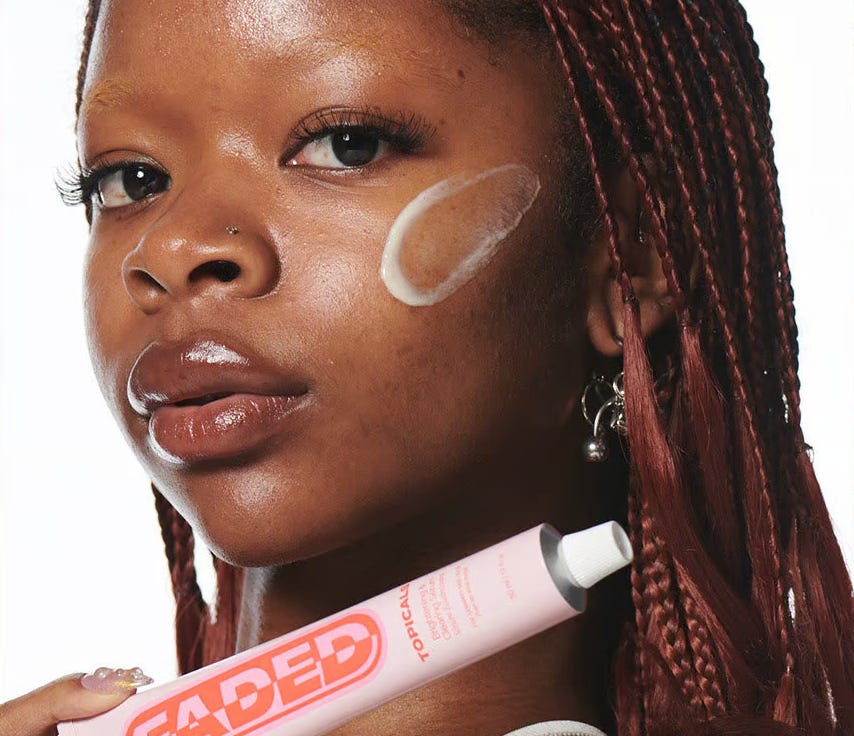
Take Topicals, the skincare brand founded by Olamide Olowe. Created to treat chronic skin conditions like hyperpigmentation and eczema (conditions that disproportionately affect people with melanin-rich skin) Topicals didn’t just enter the skincare space; it addressed a specific blind spot. Its clinical formulas and culturally fluent branding helped it connect with an audience that had long been ignored by traditional beauty brands. Topicals’ rapid growth and $10 million raise are proof that cultural inclusion isn’t just a niche.
4. Third-Culture Positioning
These brands operate in what postcolonial theorist Homi Bhabha calls the “third space”, a fluid zone where cultural identities blend, overlap, and create new meaning that disrupts traditional power structures and cultural categories. Rather than positioning themselves as purely heritage-bound or fully assimilated, they embrace cultural hybridity as their core strength.
This positioning is particularly powerful in America, where many consumers are second-generation Americans navigating multiple cultural identities. These brands offer a beautiful way to acknowledge all the cultures that make up a community with pride and confidence, not shame or assimilation pressure. They speak to people who understand that identity isn’t fixed or pure, but formed through ongoing cultural negotiations.
For example, Fila Manila‘s tagline, “Filipino American food, made by Filipino Americans,” acknowledges hybridity unapologetically. Similarly, KOA embodies this third-space positioning through its three “hapa” (mixed-heritage) founders who are Japanese-American, Korean-American, and part-Hawaiian. Rather than choosing one cultural lane, KOA weaves together Hawaiian sustainability principles (”malama aina” - care for the land), Japanese minimalist design aesthetics, and Korean healing traditions into clean botanical skincare formulated for active outdoor lifestyles. The brand celebrates brown skin and rejects Western beauty standards while honoring Asian heritage ingredients like yuzu, hinoki, and kukui nut..
These brands understand that cultural hybridity isn’t always dilution. This is America, a country founded upon cultural convergence (setting aside the long history of deliberate cultural erasure aside for a moment) . These brands are as much rooted in their origins as they are shaped by their current context, giving rise to something uniquely American.

Why These Brands Succeed: The Advantage Over Mass Market Conglomerates
The Four Strengths
Early Category Ownership: One of the most underappreciated strengths of niche brands is that they often face far less competition in the categories they create or redefine. While mass-market brands compete for incremental shelf space and marginal gains in crowded legacy categories, culturally grounded CPGs often stand alone. This isn’t exclusive to cultural brands either, it’s basic business strategy - “Niche Down to Scale Up”. These brands aren’t really fighting for market share because, in their own way, they’re creating new lanes. In many cases, they are the category in the eyes of the consumer: the first to bring a heritage product to mass retail, the most trusted to make it taste right, and the most compelling in how they tell that story. This allows them to attract fiercely loyal followings and grow with far fewer direct threats. Big brands may eventually enter the space, but the cultural brand will have already become the reference point by then.
Innovation Agility: Because they’re smaller and more deeply connected to their consumer base, they can iterate products faster in response to trends. Several multicultural food brands quickly launched direct-to-consumer offerings or new product extensions during the COVID-19 pandemic, while big brands struggled with supply chain issues. While a single brand may not inherently be more innovative than a billion-dollar corporation, it is the collective innovation seen across dozens of brands in a particular market (e.g., coffee) that continues to chip away at the market share of established brand names.
The difference, the team suggests, stems not from the amount a company spends on R&D, but how it spends those dollars. Over the last 15 years, P&G’s $30 billion R&D spending only resulted in one new brand, a hygiene product available in Eastern Europe, and no blockbuster innovations. - Marcel Corstjens, Gregory Carptener, Tushmit Hasan
Brand Authenticity: Smaller cultural brands have an advantage that big CPG companies struggle to replicate: they can build products from authentic cultural knowledge rather than trying to reverse-engineer it through focus groups and consultants. When founders come from the communities they’re serving, they understand the nuances that matter. They know which flavors actually belong together, what packaging feels respectful versus exploitative, and how to market without appropriating. This shows up in everything from ingredient sourcing to social media. There’s a coherence that’s hard to fake. Large companies face a different challenge. Even when they want to enter cultural consumer spaces, they’re often starting from the outside looking in. They have budgets for research and diverse hiring, but they’re still translating culture through the corporate processes.
Strong Community Engagement: Cultural brands build real communities, not just customer bases. These founders have lived the same problems their customers face, whether it’s hunting for the right spices at the grocery store, explaining their family’s traditions to friends, or finding beauty products that actually work for their hair and skin. When they create solutions, their communities immediately get it because the founders are speaking from shared experience, not market research.
Take KACE Tea, a brand of Asian inspired Fruit Teas, which launched the KACE Tea Creative Club, a creative series specifically for college students. The first cohort got together and created mood boards to explore the connection between community and creativity. KACE is no stranger to promoting interesting creative content because it aligns with the brand ethos, like the full on SHORT FILM that emerged from the Creative Club in 2025 (see: Half a World Away).
This kind of thoughtful community building creates trust that turns customers into advocates who then educate others about why these products are so special. They share stories on social media, recommend products to family and friends, and defend the brand whenever possible. I personally have a rolodex of over 2,000 brands in my phone, but the ones that come top of mind are always the companies that kill it on social media, and do unique, out of the box things.
I think I’ve gone to more brand “birthday parties” than parties for my actual friends this year.

The Four Weaknesses of Big Conglomerates
The “General Market” Mindset: CPG giants have historically under-innovated for multicultural audiences due to a “general market” mindset—focusing on the homogeneous, mass market consumer and considering niche-specific innovations too narrow. This approach led big CPG firms to focus on serving what they perceived as a unified consumer base, while undeserving specific multi-cultural communities.
Marc S Pritchard, Chief Brand Officer at P&G has said himself that his “industry is not making progress on reaching multi-cultural and ethnic consumers”.
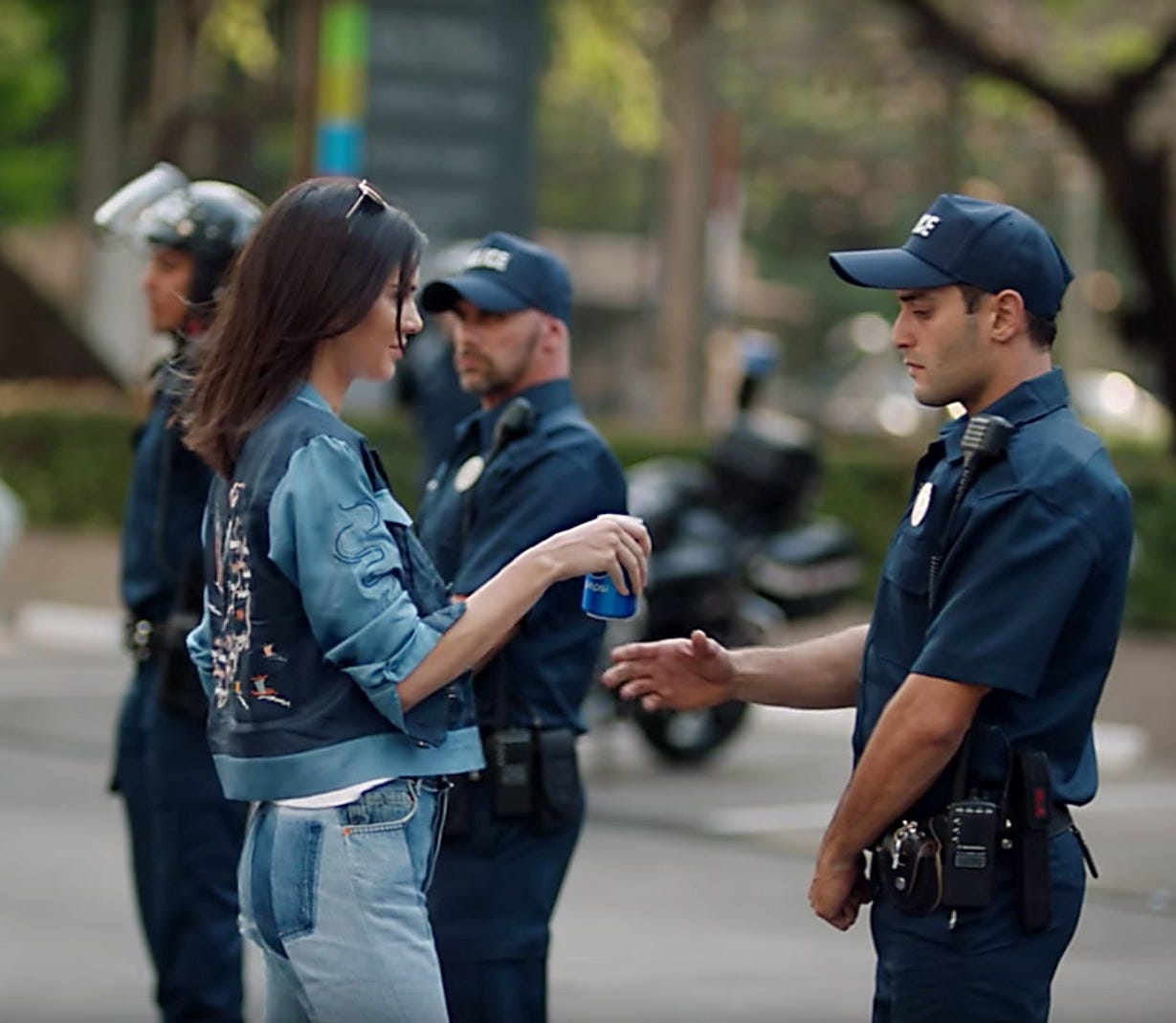
Lack of Diversity in Leadership: The lack of diversity in leadership teams means fewer internal champions and less sensitivity to cultural nuances. Without diverse voices in decision-making roles, large corporations often struggle to understand cultural authenticity or fear “getting it wrong” when developing products for specific communities. In rare cases, something even worse can happen — when a brand mistakenly pushes forward a multi-cultural approach that is interpreted terribly by the target consumer. (see: the mess that Pepsi created)
Structural Inertia and Risk Aversion: Large corporations’ risk aversion and bureaucracy often cause innovation to be diluted or even killed. The complex approval processes and conservative corporate cultures make it difficult for genuinely innovative cultural products to make it through development and to market.
Shelf Segregation & Poor Marketing: Brands often launch products for multicultural consumers, but errors in placement and messaging undercut their potential. These items typically end up confined to the “ethnic aisle,” limiting visibility, restricting discovery by broader audiences, and reinforcing the idea that cultural products can’t appeal to the mainstream. Even beyond shelving, mainstream marketing efforts frequently stumble due to lack of knowledge and authentic representation.
Underlying Trends & Supporting Analysis
Demographic Growth
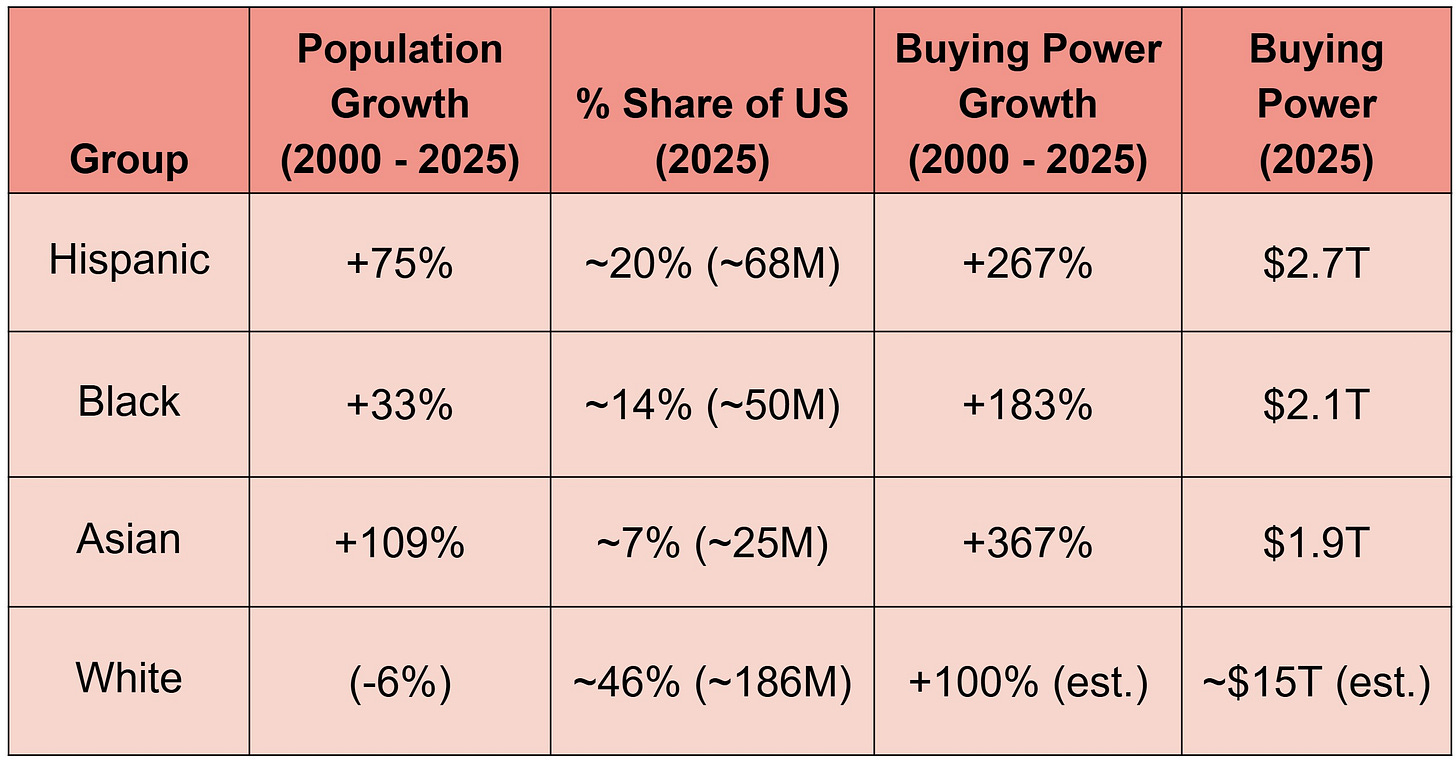
The bottom line: America’s demographic transformation is creating unprecedented opportunities for cultural brands. If there is no other tailwind to believe in, it is this. The American consumer of today is significantly more multicultural and multilingual, reflecting a broad spectrum of cultural backgrounds. The U.S. Census Bureau projects that by 2050, non-Hispanic whites will fall below 50% of the population for the first time, with minority groups projected to become the majority in the U.S. Importantly, non-Hispanic Whites are the only major demographic seeing net population decline in the US. This is not a result of mass exodus, but of the inevitable multi-cultural mixing common in the melting pot of America.
Minority group population and buying power growth (2000 - 2025)
America in the year 2050
Hispanic Americans are on track to comprise nearly 1/3rd of the U.S. population by 2050 with the Hispanic population (of any race) expected to almost double from 63 million in 2020 to 111 million by 2050.
African Americans are projected to comprise ~14.4% of the population by 2050 (up from 13.6% today).
Asian Americans are projected to comprise ~8.6% of the population by 2050 (up from 6.2% today) continuing their rise as the fastest-growing ethnic group in the US with their population increasing by 81% between 2000 and 2019—nearly four times faster than the overall U.S. population growth rate of 18.3% during the same period.
The Global Diaspora Advantage
What makes these demographic shifts particularly powerful for cultural brands is that they represent established global markets with deep roots, not emerging trends. You MUST view the world as globalized to make sense of the opportunity in America. Many successful cultural CPG brands aren’t creating entirely new markets (although it may seem that way at first) —they’re tapping into existing global demand that simply has not gotten its term in The Land of The Free. These are built-in cultural markets with established demand patterns, traditional supply chains, and proven consumer preferences.
The diaspora communities in America serve as microcosms of the real global TAM for a cultural product. When a brand successfully serves Korean-Americans, they’re not just accessing 1.8 million people—they’re validating products that resonate with the 86 million Koreans worldwide, including the 7.3 million that make up the diaspora (those living outside of their homeland). Brands looking to introduce new products can basically just outsource R&D based on thousands of empirical samples. Often, what appears to be a new product in America is actually just a remix of something already established somewhere else. Similarly, brands serving Mexican-Americans aren’t just reaching 37 million people domestically—they’re proving the product-market fit that already exists for the 130 million Mexicans that work, live, and consume in our neighboring country. That figure is larger than the combined populations of both Italy and France!
Economic Expansion
The business case for cultural brands is undeniable, driven by economic forces that dwarf most national economies. Multicultural consumers have become the growth engine of the American economy, with their combined buying power projected to reach $7 trillion by 2025—growing at rates that significantly outpace the overall economy. Obviously, these cultures are not a monolith. While each culture can have some shared traditions, they collectively represent a vast reservoir of untapped knowledge and an increasingly powerful consumer base that mainstream brands have largely ignored.
Hispanic American Economic Power:
Latino consumer spending alone is expected to reach $2.7 trillion in 2025.
The U.S. Latino GDP reached $4.1 trillion in 2023, which would rank it as the second-fastest-growing economy globally, after China. This also makes it larger than the economies of India, the United Kingdom, and France if it were a country.
This Latino GDP has grown 2.5 times faster than the broader U.S. GDP.
Latino-owned businesses are the fastest-growing demographic in the U.S., generating substantial revenue and employment, with the number of jobs created by Latino-owned businesses growing by 53.6% from 2007 to 2019.
African American Economic Power:
Black buying power in the U.S. is estimated to grow to $2.1 trillion by 2025/6.
Black-owned businesses accounted for $141.1 billion in annual sales and employed 1.3 million people as of 2020.
Asian American Economic Power:
Asian American buying power sits at around $1.6-$1.8 trillion in 2025.
The Asian American population grew 46 percent in the past 10 years, making it the fastest-growing ethnic or racial segment in the U.S., with continued exponential growth expected.
Asian Americans have superior buying power; their average household income is 41% higher than the U.S. average. They spend 29% more on food, 128% more on education, 67% more on apparel, and 37% more on new cars than the national average.
These multicultural communities aren’t niche markets—they’re economic powerhouses driving disproportionate growth in consumer spending. Combined, Latino and Black American buying power represents over a near $7 trillion in economic activity, outpacing the GDP of most countries. Cultural brands that authentically serve these communities aren’t just capturing market share; they’re positioning themselves at the center of America’s economic future.
Cultural Loyalty
Multicultural consumers are enthusiastic supporters of brands that resonate with their cultural identities and values. Consumer behavior research indicates that ethnic consumers strongly favor brands with cultural significance or founders from underrepresented communities.
92% of Black consumers say supporting Black-owned brands is important to their buying decisions for beauty products. In 2021, Black shoppers indicated they are willing to shift about $260 billion of their annual spending (⅓ of their 2021 figure) to companies that better address their needs. That’s $630 billion today.
Nearly half of U.S. consumers (45%) agree companies should pledge to support Black-owned brands, suppliers, and vendors. Over two-thirds of consumers report that their social values shape their shopping choices.
57% of U.S. Hispanic consumers say they favor brands that respect their heritage, attributing brand loyalty to this cultural connection.
64% of AAPI consumers stated they would stop buying from brands that devalue their identity group.
Generational Trends
Gen Z is the most racially and ethnically diverse generation in American history, with nearly half identifying as non-white. They also seem to share a more adventurous and international palate, with Asian flavors actually leading the way among the younger generation. Additionally, Gen Z allows their values to do the talking, with nearly 90% of the group believing companies should actively address racial and social equity issues.
This is the invisible opportunity facing most aging consumer brands. Tapping into the youngest generation can be incredibly rewarding. They don’t have the purchasing power yet, but they are terminally online, and they are not patiently waiting in the background.
Cultural CPG Brands Breaking Through
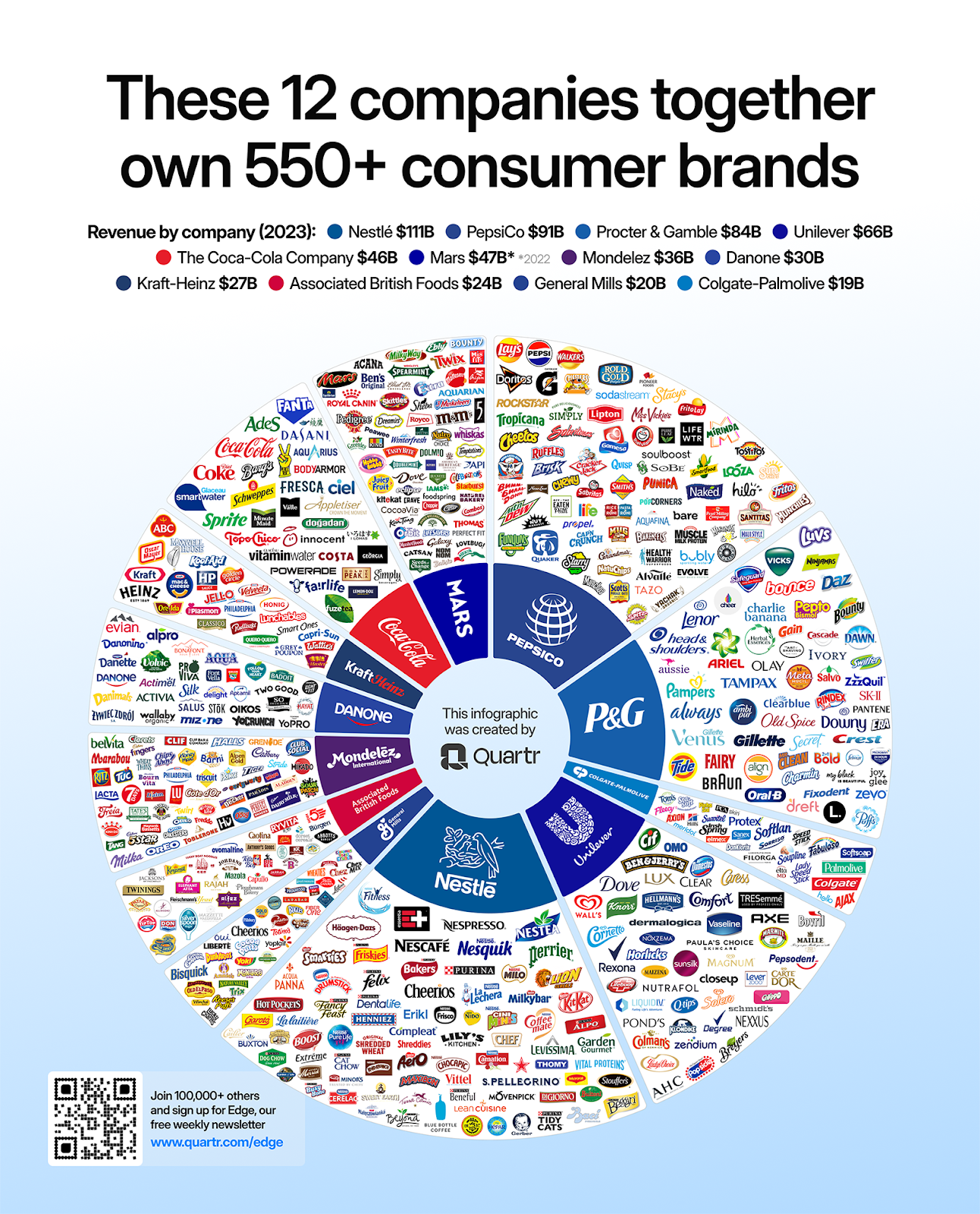
There have been several examples of breakthrough cultural brands in America, many occurring within the last 10 years. The opportunity often arises from a first mover with flawless execution and crisp storytelling. And the end result is almost always the same in this industry - acquisition by a major player.
That’s great news for investors. In an uncertain economic environment with a massive IPO backlog, maybe it doesn’t make sense to bet on the company you seeded at a $12bn valuation to get acquired or go public in your investment window. Who the hell has that kind of cash? On the other hand, acquisition of smaller CPG brands is not just an opportunity for these big conglomerates, it’s their survival strategy.
Major Success Stories
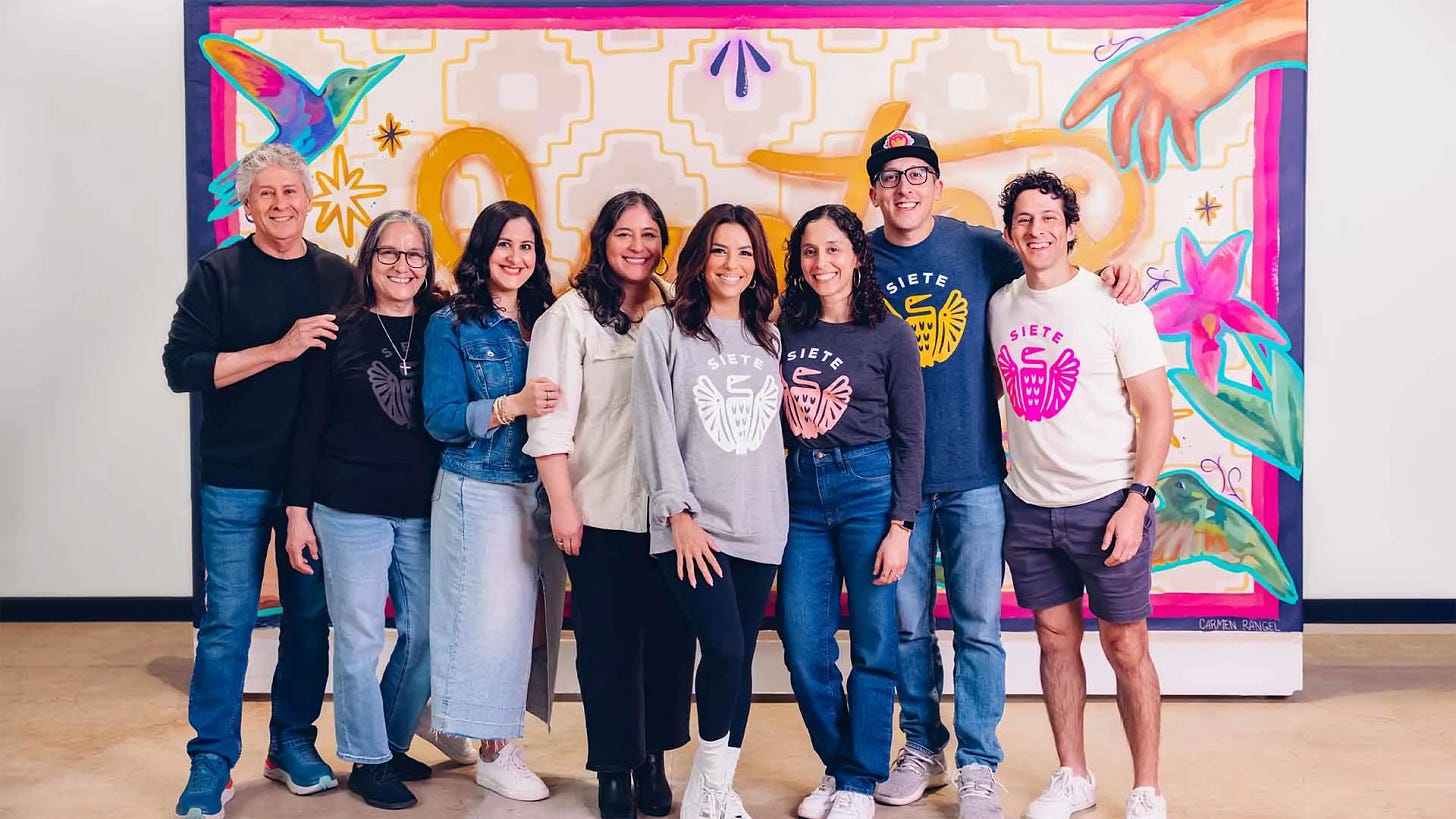
Siete Foods: Perhaps no brand exemplifies the rise of heritage CPG more than Siete. Founded in 2014 by the Garza family in Texas, Siete created grain-free, dairy-free versions of Mexican staples, effectively creating an entirely new category. The company achieved meteoric growth, raised a $90 million investment in 2019, and hit a quarter-billion in sales within about 8 years. By the end of 2024, Siete’s annual sales reached $500M, making it the fastest-growing Latino/Hispanic food brand in the U.S. The mainstream Mexican foods aisle hadn’t seen a major challenger for decades—legacy names like Ortega and Old El Paso have dominated since the early 1900s. Siete’s meteoric rise proved that innovation was long overdue. In 2024, PepsiCo acquired Siete Foods for $1.2 billion, making the Garza family among the most successful Latino food entrepreneurs in history.
Hero Cosmetics: In skincare, Hero Cosmetics offers a compelling success story. Launched in 2017 by Ju Rhyu after discovering hydrocolloid acne patches in South Korea, Hero began with a single product—Mighty Patch—that quickly gained traction as a clean, effective solution for blemishes. Starting on Amazon to test product-market fit, the brand achieved explosive growth, scaling to over $115 million in sales and $45 million in EBITDA by mid-2022. Hero then expanded into U.S. retail in around ~8,000 doors—including Target, Ulta, CVS, Bloomingdale’s, and Neiman Marcus—earning recognition such as Allure’s Best of Beauty award. In September 2022, Church & Dwight acquired Hero for $630 million.
Fenty Beauty: Co-founded by Rihanna, Fenty Beauty revolutionized cosmetics by offering 40+ foundation shades and emphasizing diversity. It amassed over $550 million in revenue in its first year, eclipsing many heritage brands and turning Fenty into a new icon of inclusive beauty. The brand’s success demonstrated the massive unmet demand for truly inclusive beauty products.
Additional Success Stories
The landscape is rich with other breakthrough brands:
Sanzo sparkling water offers Asian-inspired flavors and gained distribution in Whole Foods and Foxtrot, quickly expanding to thousands of retail doors. To date, they have raised over $15 Million dollars.
Immi reinvents instant ramen as high-protein, low-carb, and attracted $10 Million in venture funding.
BLK & Bold Coffee became the first nationally distributed Black-owned coffee brand and gained distribution in Target stores nationwide in 2020.
Ami Colé secured shelf space at major beauty retailers by addressing melanin-rich skin tones
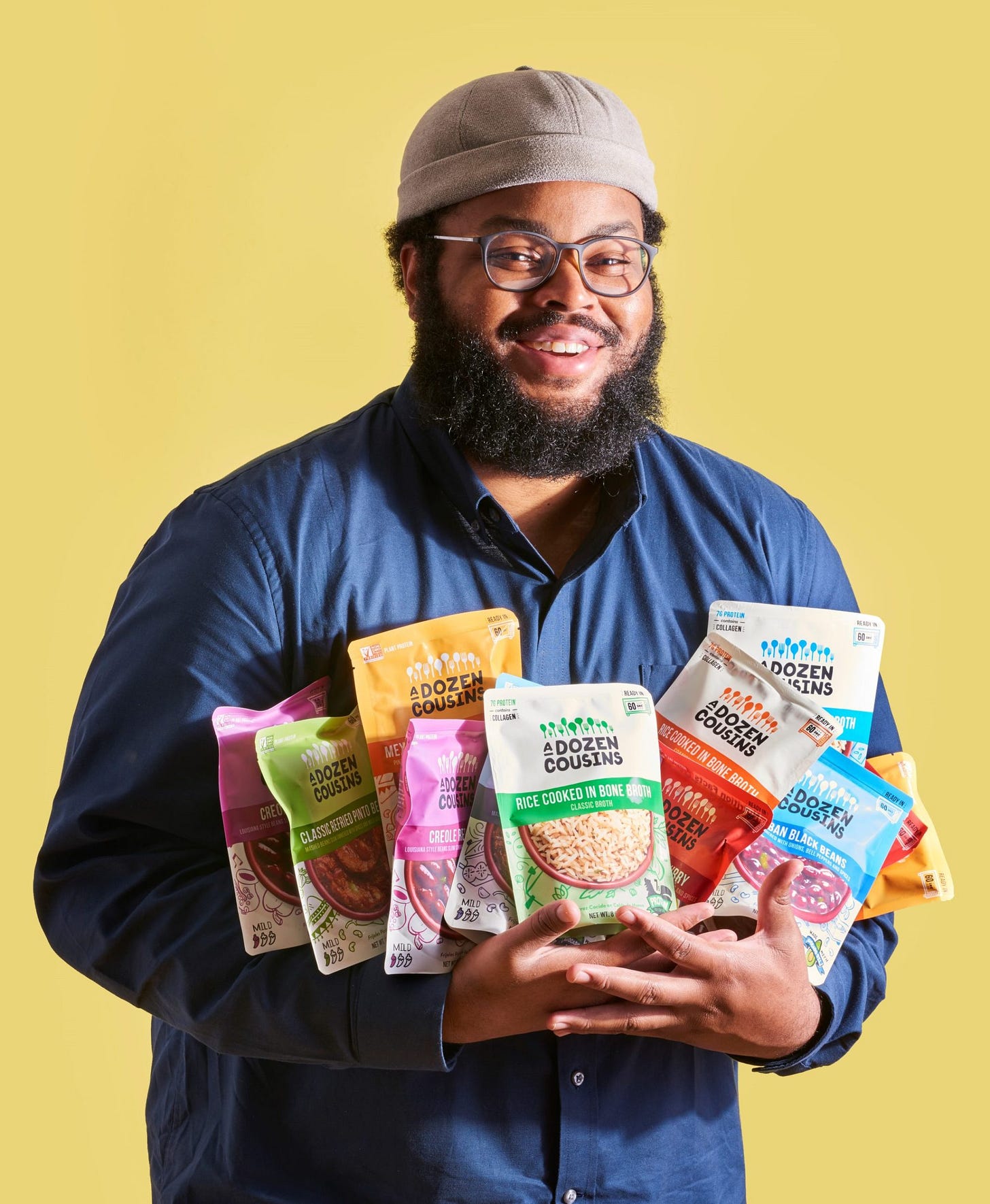
A Dozen Cousins expanded into major retailers like Target, Walmart, Whole Foods, and Kroger before being acquired by Verde Valle Foods in 2025
Mented Cosmetics secured nationwide placement in Ulta Beauty
The Lip Bar expanded into major retail chains including a significant rollout to 3,300 CVS locations in 2023, reporting continued growth in its retail presence.
Pat McGrath Labs reached a peak valuation of $1 billion
Dozens of emerging brands, including Tia Lupita, Nopalera, and Dang Foods have also gained ground and raised money. Their success encourages more entrepreneurs from diverse backgrounds, creating a virtuous cycle of innovation.
The Cultural CPG Investment Thesis
Cultural CPG brands represent the future of mainstream American consumer goods, as demographic shifts and economic power concentration have transformed what were once ‘niche’ multicultural markets into the dominant growth engine of the U.S. economy, creating first-mover advantages for heritage brands positioned at the center of America’s new majority-minority reality while possessing authentic cultural knowledge, superior product performance, and community trust that legacy competitors cannot replicate.
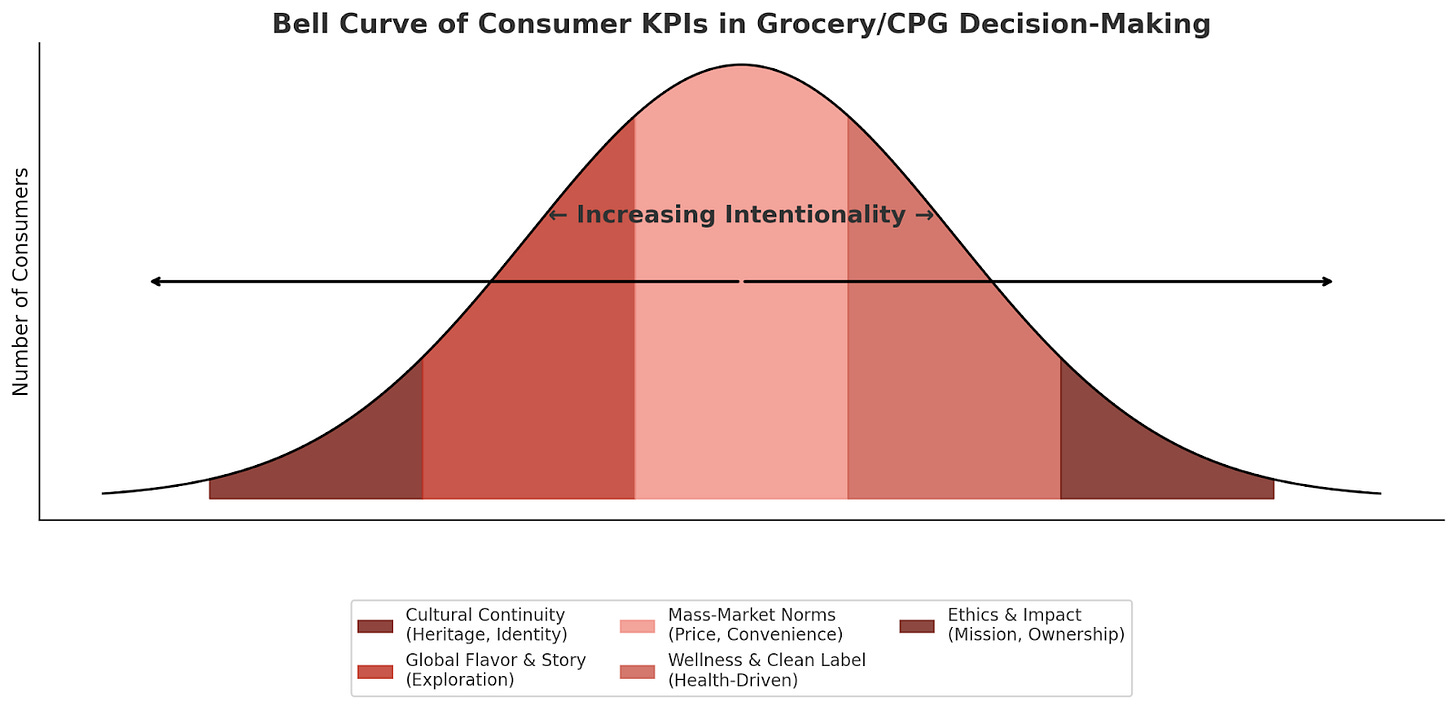
Niche Market Theory: For early investors, these identified white spaces are opportunities, creating prime conditions for startups to bloom. The good news is that like most early markets, there will be a progression toward the center of the bell curve with time.
I hope what I’m saying is not too revolutionary. Identify a niche before it becomes mainstream. Find winners that have the potential to sustain their success along the journey from niche standout to major brand.
The Consumer KPI (buying intention) Bell Curve
Challenges: Access to Capital and Retail
Despite their proven success, cultural CPG brands face persistent systemic barriers that limit their potential.
Capital Access Restrictions
The data on venture funding for underrepresented founders remains dismal. Startups led by Black, Hispanic, or other minority founders receive only a tiny sliver of venture funding. Black founders consistently secure only around 1% of total VC dollars despite being ~13% of the population. In 2023, Black founders garnered only 0.48% of U.S. venture capital (roughly $660-730 million out of ~$136 billion in VC), a multi-year low. Latino founders received about 1.5% of VC funding in 2022, and Black and Latina women combined drew just 0.1% of venture funding in recent data.
These statistics reflect long-standing patterns and structural barriers within the venture capital game, leading many cultural CPG startups to bootstrap or rely on community fundraising. This often limits their ability to scale quickly or compete with well-funded competitors. However, this also means there’s significant untapped upside for investors who do engage early.
Retail Distribution Challenges
While some retailers made public commitments to carry more diverse brands after 2020, many of these initiatives have been scaled back or deprioritized. Furthermore, the “ethnic aisle” segregation persists in many stores, limiting cultural brands’ visibility and growth potential. Even when cultural brands secure distribution, they often face challenges with prime shelf placement, marketing support, and sustained retailer commitment. Yet, despite these challenges, “ethnic aisle” revenues topped $8.8 billion in the year ending June 2024, showing steady growth.
Conclusion
Cultural CPG brands are changing everything about how Americans shop. These aren’t just trendy startups. They’re completely reshaping what people expect from the products they buy. These brands win because they actually understand their customers’ problems and can move fast to solve them in ways big companies can’t.
The numbers don’t lie. America is getting more diverse every year, and younger shoppers want brands that reflect their values and backgrounds. Social media and strong community engagement helps these brands reach people directly, and Gen Z and Millennials are willing to try new flavors and products their parents never heard of.
Sure, these brands can face real challenges getting funding and shelf space. But look at the wins: Siete sold for $1.2 billion, Hero Cosmetics for $630 million. These weren’t just lucky breaks. And due to the massive lapse in venture capital attention, there are likely dozens of more brands building in the same way.
This is just the beginning. We’re watching cultural authenticity become an underwritable differentiator brands apart, not something nice to have on the side. The investors, retailers, and big companies that figure this out now will stand to benefit. The consumers that live, work, and play in this changing America will also stand to benefit from a CPG landscape as diverse as the reality around them.
Part 2: Eight Cultural CPG Investment Themes
Introduction
This analysis examines eight distinct investment opportunities rooted in cultural traditions.
1. Alternative & Ancient Grains
Thesis: Ancient grains represent a convergence of superior nutrition, environmental sustainability, and cultural authenticity that mainstream commodity grains cannot match within the 2.3 billion tonne global grain production system. These heritage varieties—including Farro, Spelt, Kamut, Sorghum, Teff, Millet, Quinoa, Amaranth, and Fonio—have been refined through thousands of years of cultivation, resulting in naturally higher protein content, more complete amino acid profiles, and enhanced micronutrient density compared to heavily processed modern wheat and rice. Their minimal breeding preserves genetic diversity while offering inherent climate resilience through drought tolerance and carbon sequestration capabilities that align with sustainable agriculture trends.
Adlay (Job’s Tears) is a traditional grain from Southeast Asia, known for both its nutritional richness (~14% protein, with anti-inflammatory compounds) and its ceremonial roles in indigenous communities.
Finger Millet / Ragi (Eleusine coracana) is a staple crop from the Ethiopian Highlands. Research shows that its 364mg/100g of bioavailable calcium and 18% dietary fiber make it a powerhouse of health-benefiting nutrients.Traditional preparation involves women beating seeds with sticks and grinding with millstones, creating Ragi Mudde dumplings and ambali porridge.
Fonio (Digitaria exilis), highlighted as a naturally gluten-free grain with expansive potential, demonstrates remarkable nutritional profiles. One of fonio’s key assets is its proteins, which contain higher quantities of essential amino acids like methionine, cystine, valine, leucine, and isoleucine, often missing in major cereals today. Organic fonio is particularly high in methionine, an antioxidant that may protect against radiation damage, detoxify harmful substances, and prevent liver damage.
Guinea Millet is an indigenous, resilient cereal from Guinea’s highlands. It has strong agronomic qualities such as not requiring much irrigation or pesticide use which make it easy to cultivate and manage. Thus, small millets are optimal to address food insecurity and its use as a substitute for larger grains (e.g. Rice and Wheat) are being studied.
Australia Millet, Button Grass, and Curly Mitchell Grass used by Aboriginal Australians leverage some of the world’s oldest baking traditions, with 50,000-year-old millstones still used to grind seeds into flour. These ancient grains contain complex protein structures and nutrient densities that make them nutritionally superior to many modern cereals.
Teff, a gluten-free grain from Ethiopian highlands used to make Injera, rivals traditional staples by delivering 12 g of protein and 12 g fiber per 100 g, compared to wheat’s 8–11% protein, while also offering higher levels of essential nutrients like calcium, iron, magnesium, and zinc. Its complex carbohydrates and low glycemic index (~35–57) promote stable blood sugar and digestive health, outperforming both wheat and rice. Teff is richer in the essential amino acid lysine than other cereals, making it a more complete and gluten-free protein source. Environmentally, teff thrives in poor soils, tolerates drought and waterlogging as a C4 plant, and minimal milling preserves its whole-grain integrity—making it both sustainable and nutritionally superior to conventional staples.

2. Heritage Staples
Thesis: Heritage staples represent a convergence of traditional nutritional wisdom, cultural authenticity, and modern convenience that creates compelling market opportunities. These traditional foods provide a taste from home for cultural natives and a culinary exploration to the adventurous shopper. The size of the US Ethnic Foods market is around $25Bn, which is approximately the size of the US snack bar ($13Bn) and US Frozen Ready Meals ($14Bn) markets combined.
As global consumers increasingly seek authentic cultural experiences and premium food quality, heritage staples offer traditional flavors, time-tested preparation methods, and cultural storytelling that mass-produced alternatives cannot replicate.
Companies like Fly by Jing demonstrate how brands can successfully bridge traditional recipes with contemporary food systems, making authentic products more convenient, accessible, or widely available. Saffron Road, a pioneer in this space founded in 2009, helped define the category by offering frozen and shelf-stable meals inspired by South Asian, Middle Eastern, and Mediterranean cuisines.
Snacks and convenience foods
Chamoy- Mexican chili-lime candy like coating (see: I Love Chamoy)
Tamarind candy - Southeast Asian/Latin American sour-sweet treats with natural fruit base
Plantain chips - A Caribbean and West African classic that doubles as a naturally gluten-free, clean-label alternative to potato chips.
Seaweed snacks - Mineral-rich, low calorie snacks rooted in Korean and Japanese diets (see: Gimme Seaweed)
Chicharrones- Traditional Latin American pork rinds.
Cassava chips - Traditional African and South American root vegetable.
Konjac jelly - Traditional Asian root-based snack. An alternative to conventional gelatin (see: Tastelli)
Desserts and indulgences
Halva- A dense, nutty sesame confection rooted in Middle Eastern tradition.
Mochi- Japanese rice cake made from glutinous rice, now often reimagined in frozen dessert formats.
Kulfi- A rich, slow-churned Indian ice cream traditionally flavored with cardamom, pistachio, and saffron. (see: Heritage Kulfi)
Tres leches - A beloved Latin American sponge cake soaked in three milks.
Complete meals, made easy
Jollof Rice - West African one-pot meal with roots in the Jolof Empire.
Biryani– A fragrant South Asian rice dish layered with spices, saffron, and marinated meat or vegetables. (See: Saffron Road)
Pemmican- Indigenous North American tribes’ high-energy survival food combining dried meat, fat, and berries.
Kimchi bowls - Korean fermented vegetables. (see: Choi’s Kimchi)
Bao Buns - Chinese steamed bread pockets combined with various fillings (see: Laobon)
Dumplings- Pan-Asian wrapped dumplings that often go by many names. Originally involving heritage hand-folding techniques but can be scaled for frozen retail. (see: Dumpling Daughter, Thirsty Dumpling)
Congee - Asian rice porridge. (see: Gamsa Foods)
Packaged Ingredients and cooking augmentation
Injera - Ethiopian sourdough flatbread that’s naturally gluten-free and probiotic-rich, ready for convenience packaging.
Mole - Mexican complex sauce with 20+ ingredients.
Masa - Corn dough made from dried corn kernels that have been treated with lime (nixtamalization), then ground into flour (see: Masienda)
Sofrito- Latin American aromatic cooking base.
Curry simmer sauces - Traditional regional curry bases from India, Thailand, and Japan. (see: Brooklyn Delhi)
Cassava flour - Gluten-free, vegan, allergen-friendly baking alternative (see: Cassava Kitchen)
Gochujang- Korean fermented paste.
Beverages (non alcoholic)
Tea- One of the oldest beverages on earth. Yes, Tea is culturally rooted! (see: Raazi, The Qi)
Masala Chai - Indian spiced tea blend with regional variations. (see: Kolkata Chai Co.)
Matcha - Japanese ceremonial tea powder with traditional stone-grinding methods. (see: Rocky’s Matcha, Sage Matcha)
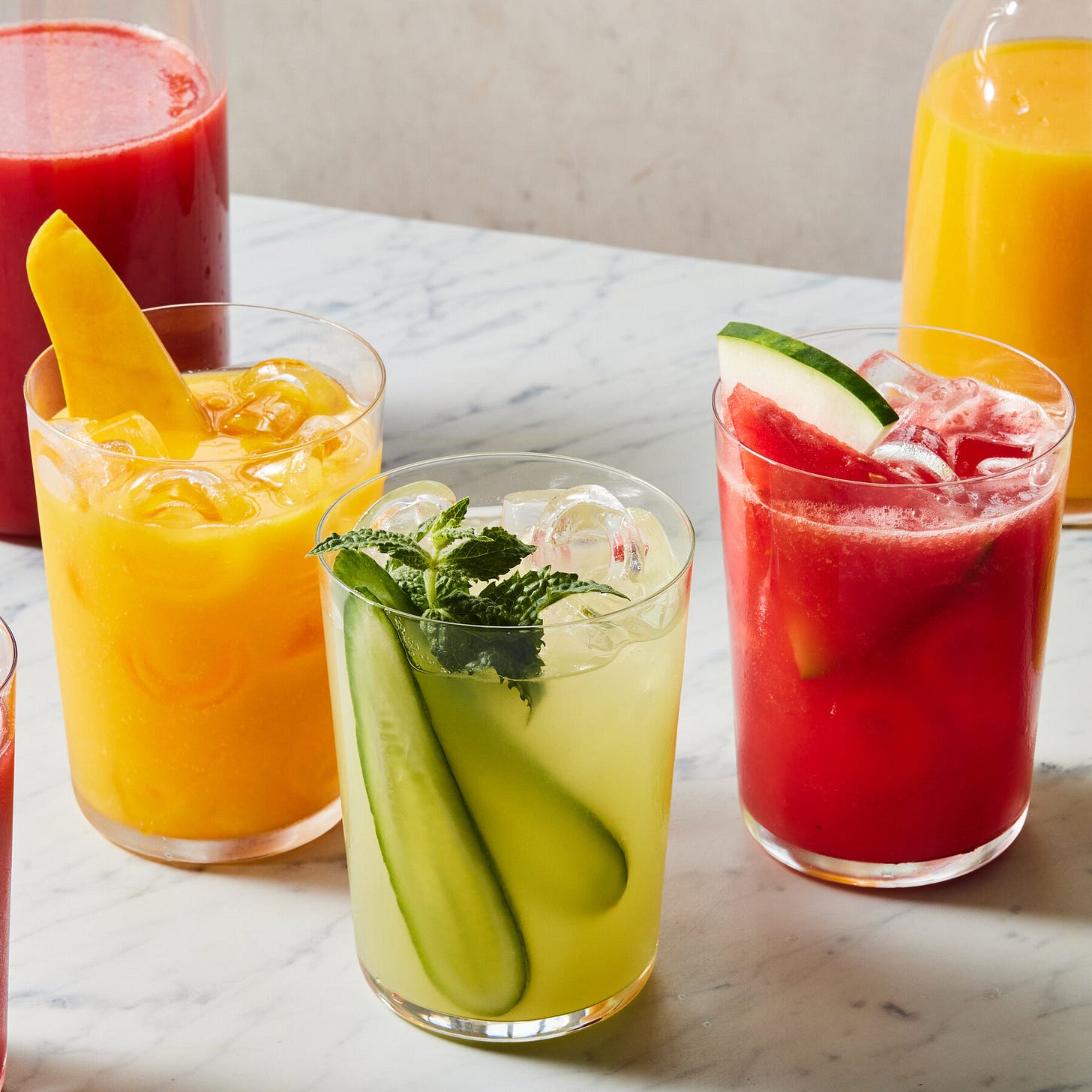
Agua Fresca - Mexican fruit-infused water tradition. (see: Drink Salud, BAWI)
3. Fermented and Alcoholic Cultural Beverages
Investment Thesis: Cultural fermented beverages and heritage alcohols represent one of the most dynamic intersections of tradition, authenticity, and craft in the global beverage market. These drinks offer cultural experiences and complex flavor profiles developed through centuries-old processes. Ancient fermented beverages like boza, kumis, and tepache showcase unique techniques and distinctive taste experiences, while premium spirits like soju, sake, mezcal, and baijiu demonstrate the refined craftsmanship that appeals to sophisticated and adventurous drinkers.
Traditional Fermented Beverages
Boza: Central Asian 8,000-year old Turkic winter beverage using wild yeast fermentation, often served with roasted chickpeas.
Kumis: Central Asian fermented mare’s milk with natural probiotics.
Pulque: Mexican ancient Mesoamerican agave beverage. Considered a divine gift, and used in religious ceremonies.
Tepache: Mexican fermented pineapple drink with pre-Columbian origins, using natural fruit sugars and spices. (see: De La Calle)
Alcoholic Beverage Traditions
Soju: Traditional Korean rice spirit with 40% ABV, showcasing centuries-old distillation techniques. (see: Wild Mannered)
Sake: Japanese rice wine showcasing precision fermentation techniques refined since the 8th century, using polished rice and koji cultivation to create complex regional flavor profiles. (see: Summerfall)
Mezcal: Mexico’s pre-Columbian agave spirit using underground pit-roasting and sustainable harvesting practices across regional varieties. (see: Madre Mezcal)
Baijiu: China’s most-consumed spirit with 1,000+ year old solid-state fermentation tradition, creating four distinct aroma profiles.
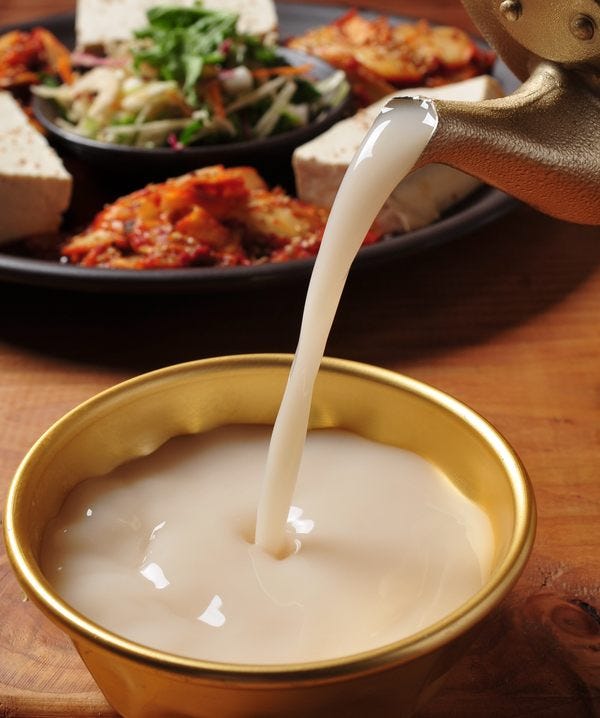
Makgeolli: Korean unfiltered rice wine with natural carbonation, probiotics, traditional farmhouse brewing methods gaining craft revival. (see: Drink Sool)
Cachaça: Brazil’s sugarcane spirit with 500-year heritage, artisanal production methods distinct from industrial rum manufacturing. (see: Novo Fogo)
Pisco: Peruvian/Chilean grape brandy with strict traditional distillation rules and indigenous grape varieties dating to the 16th century. (see: Suyo)
Umqombothi: South African traditional sorghum beer with indigenous fermentation methods and cultural significance in ceremonies.
4. Global Spices & Seasonings
Investment Thesis: The U.S. spice and seasoning market is valued at ~$4Bn. Despite its size, the U.S. accounts for only 4–7% of global spice consumption by volume, suggesting the market still lags in the adoption of diverse spice traditions compared to regions where these flavors are embedded in daily cooking. On average, we see the US comprising around 10% - 20% of global consumption for a consumer packaged food product. To me, this gap creates a compelling growth opportunity for heritage-focused brands offering traditional blends like garam masala, berbere, harissa, or za’atar, as well as single-origin, terroir-driven spices such as Kashmiri chilies, Sichuan peppercorns, and Persian saffron—all of which command premium pricing due to cultural and geographic specificity. This particular thesis is about the spices themselves, but you could argue it is the application of these flavors that have yet to break out into the mainstream. The opportunity for enhancing the profile of everyday products is likely a much larger pool than that of spices themselves.
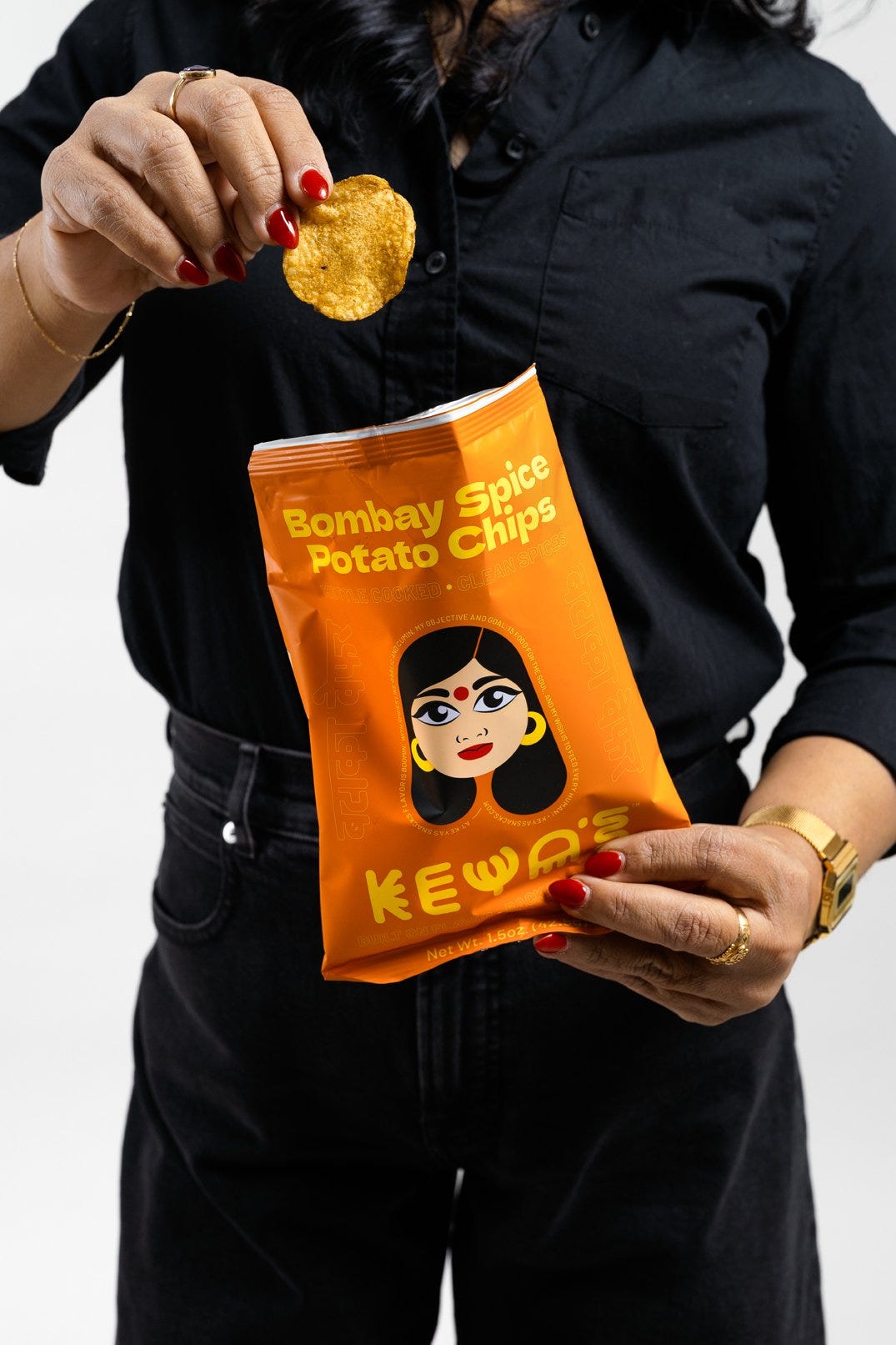
(See: Confusion Snacks, 50Hertz, Keyas Snacks)
Multiple tailwinds support the spice and seasoning: diaspora communities seeking authentic ingredients, adventurous consumers exploring global cuisines, health-conscious buyers embracing clean-label transparency, and the rise of home cooking post-pandemic. Brands that fuse ancestral culinary knowledge with modern sourcing practices—such as direct farmer relationships, regenerative organic certification, and storytelling rooted in cultural credibility—can deliver authenticity at scale. As legacy commodity spice companies struggle to offer depth or provenance, the moat for emerging players lies in heritage, sourcing integrity, and cultural fluency. In a category poised for premiumization, heritage spices are not just ingredients—they are vehicles for identity, wellness, and global culinary connection.
Spices and Seasonings
Garam Masala - Indian spice blend using precise roasting and grinding techniques with regional variations (see: Diaspora Co.)
Berbere- Ethiopian complex blend of up to 20 spices with traditional roasting sequences passed down through generations
Harissa- North African chili paste combining pepper varieties with complementary spices, regional variations based on local peppers
Za’atar - Levantine wild thyme, sumac, sesame, and salt blend with traditional herb drying techniques
Sichuan Peppercorns - Chinese spice that creates a unique numbing “má” sensation on the tongue, made from hand-picked husks that are dry-roasted to activate their distinctive tingling, citrusy oils.
Kashmiri Chilies - Indian mild heat with intense red color, sun-dried on rooftops using high-altitude growing conditions
Saffron- Kashmiri hand-picked stigmas from dawn-harvested Crocus flowers. The world’s most expensive spice
Cardamom- Aromatic spice pod from India’s Western Ghats mountains, hand-harvested to preserve its intense, sweet-floral essential oils that add warming, slightly minty flavor to both sweet and savory dishes.
Turmeric- Golden-colored root spice from India that’s been used for thousands of years in cooking and traditional medicine, known for its anti-inflammatory properties and earthy, slightly bitter flavor.
Flavor Enhancing Ingredients
Ghost Pepper - Extremely hot chili from Northeast India, traditionally farmed and smoked using ancient Assamese methods
Chipotle- Smoke-dried jalapeños from Mexico, created through ancient smoking techniques that add deep, smoky flavor
Aleppo Pepper - Syrian chili with fruity heat and moderate spice level, sun-dried and coarsely ground with salt
Cumin Seeds - Aromatic spice from Middle Eastern and Indian trade routes, traditionally winnowed and roasted for earthy flavor
Coriander Seeds - Versatile Mediterranean and Asian spice with citrusy-spicy notes enhanced through traditional roasting
Fenugreek Seeds - Bitter-sweet spice from Mediterranean and Indian cuisine, developed through traditional soaking and roasting methods
5. Traditional Beauty and Wellness Systems
Investment Thesis: Traditional beauty and wellness systems represent a compelling opportunity within the $101+ billion US beauty products marketand the $78 billion US dietary supplements market, driven by consumers rejecting synthetic chemicals in favor of time-tested, scientifically-validated solutions that can offer superior efficacy and cultural authenticity.
Ancient systems like Ayurveda, Traditional Chinese Medicine, and African healing traditions provide centuries-refined formulations using potent botanicals like turmeric, neem, ginseng, shea butter, marula oil. These traditional systems offer defensive competitive advantages through cultural heritage, indigenous knowledge, and sustainable sourcing relationships that mass beauty brands have yet to adopt or promote center-stage.
Ayurvedic Beauty and Wellness Foundations Ayurveda represents a 5,000-year-old holistic wellness philosophy from India that views beauty as a reflection of internal health and constitutional balance. This comprehensive system emphasizes treating root causes rather than symptoms, using personalized approaches based on individual doshas (constitutional types) to achieve lasting beauty and wellness. Traditional Ayurvedic beauty practices integrate herbal medicine, massage techniques, and lifestyle practices to create harmony between mind, body, and spirit. Popular components of Ayurvedic traditions include:
Turmeric (Haldi) - Golden Indian spice with anti-inflammatory properties reducing blemishes and providing antimicrobial protection.
Neem- Indian “village pharmacy” tree with natural antibacterial and antifungal properties for acne treatment
Ashwagandha - Adaptogenic Indian herb reducing stress-related skin issues and balancing hormones for skin clarity
Abhyanga massage oils - Constitutional oil blends improving circulation and nourishing skin based on individual dosha
Ubtan powder masks - Traditional herbal paste blends providing gentle exfoliation and natural detoxification
Amla supplements - Indian gooseberry with high vitamin C content supporting collagen production and hair growth
Triphala powder - Three-fruit Ayurvedic blend supporting digestive health that reflects in clearer skin
Golden milk blends - Turmeric-based beverages with anti-inflammatory benefits and stress reduction properties
Brahmi hair oils - Sacred Indian herb oils providing scalp nourishment and natural conditioning
Traditional Chinese Medicine Beauty Systems Traditional Chinese Medicine approaches beauty through a 3,000-year systematic understanding of Qi (vital energy), blood circulation, and Yin-Yang balance. This ancient system emphasizes that external radiance reflects internal harmony, using specific herbal formulations, massage techniques, and dietary therapy to achieve lasting beauty. TCM beauty practices focus on stimulating energy pathways and meridian points to enhance natural healing and promote vibrant, healthy skin from within. Popular components of TCM include:
Gua Sha tools - Chinese jade or rose quartz implements stimulating circulation and promoting lymphatic drainage
Pearl Powder supplements - Ground freshwater pearls rich in amino acids and minerals for skin brightening
Ginseng varieties - Asian adaptogenic roots with antioxidant properties fighting aging and improving skin elasticity
White Tea extracts - Chinese tea with high polyphenol content providing antioxidant protection against aging
Goji berry products - Chinese “wolfberries” with antioxidant-rich properties supporting skin health and immune function
Reishi mushroom supplements - Chinese “mushroom of immortality” with adaptogenic properties promoting healthy aging
Green tea skincare - Chinese tea leaves with catechins providing anti-inflammatory and UV protection benefits
Bird’s nest drinks - Chinese delicacy with collagen-boosting properties for skin elasticity and hydration
Schisandra berry teas - Chinese “five-flavor fruit” supporting liver detoxification for clearer skin
African Traditional Beauty and Healing Systems - African traditional beauty utilizes indigenous plants and community-based knowledge. These practices emphasize understanding seasonal plant harvesting, ceremonial preparation methods, and the preservation of ancestral wisdom for natural beauty and healing. African beauty traditions focus on working with the continent’s rich biodiversity to create gentle, effective treatments that nourish and protect skin while honoring cultural heritage and sustainable practices. Popular components of African Traditional Beauty and Healing systems include:
Shea Butter products - West African tree nut butter with deep moisturization and anti-inflammatory properties
Marula Oil serums - Southern African tree oil with high antioxidant content and lightweight hydrating texture
Black Soap cleansers - West African traditional soap with gentle exfoliation and natural antibacterial properties
Baobab powder supplements - African “Tree of Life” fruit with high vitamin C content and antioxidant protection
Ethiopian Coffee scrubs - African coffee beans providing natural exfoliation and circulation-stimulating caffeine
Argan oil treatments - Moroccan tree oil rich in vitamin E and essential fatty acids for anti-aging benefits
Hibiscus tea blends - African flower with natural AHAs for gentle exfoliation and vitamin C for collagen support
Moringa supplements - African “miracle tree” leaves with nutrient-dense superfood properties for skin health
Kanna stress supplements - South African succulent plant with adaptogenic properties for mood and stress support

6. Superfoods with Cultural Roots
Investment Thesis: Traditional superfoods represent a compelling opportunity within the $72+ billion US functional foods market growing at 8.9% CAGR US Functional Foods Market Size & Outlook, 2023-2030 where ancient nutritional wisdom meets modern health science. Indigenous superfoods like maca, cacao, moringa, and acai offer centuries-refined preparation methods that maximize bioavailability and therapeutic qualities (like maca’s altitude-enhanced adaptogens, cacao’s mood-boosting theobromine, and moringa’s complete amino acid profile).
Andean Superfood Traditions
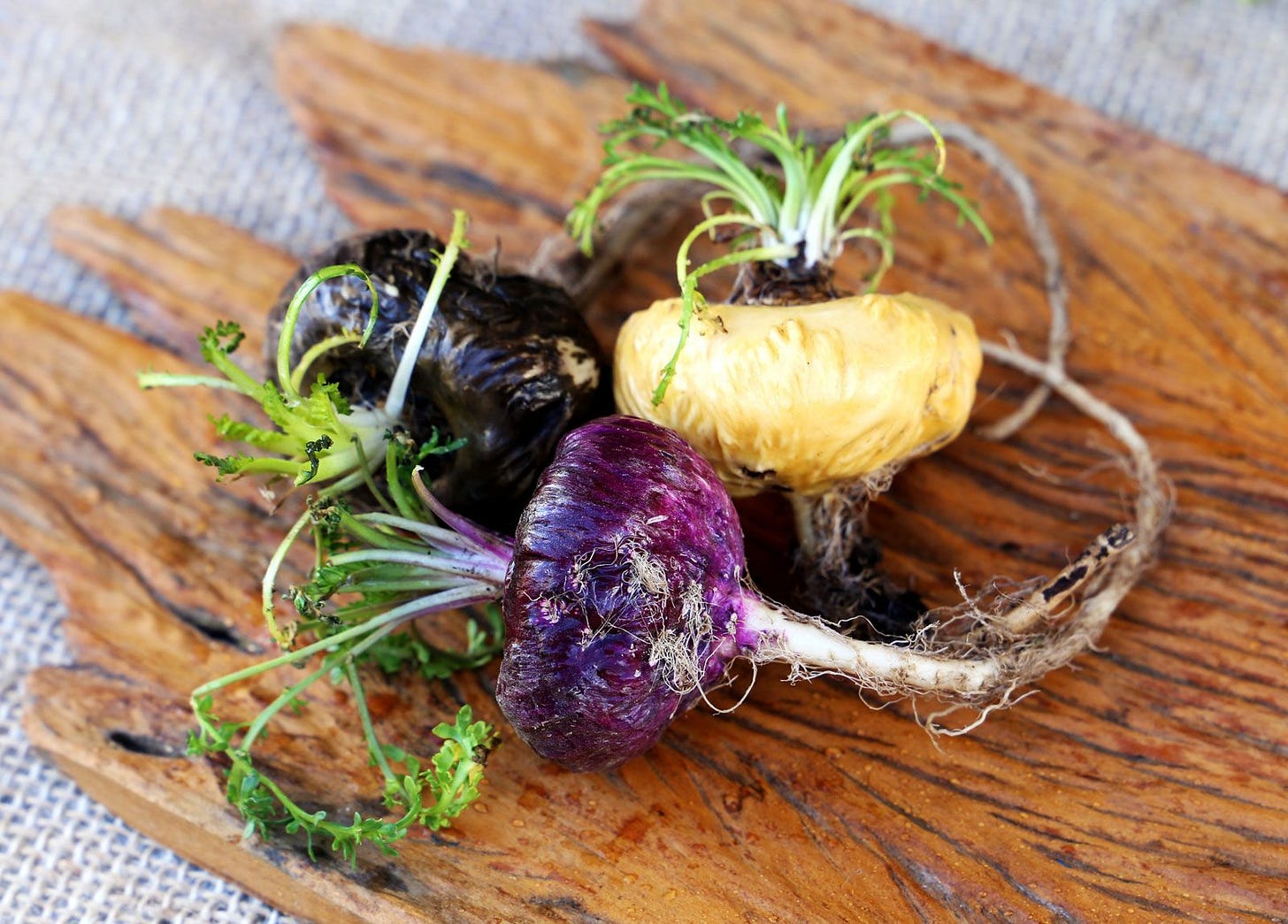
Maca- Peruvian highland root cultivated at extreme altitudes. Used for fertility, energy, and hormonal balance
Cacao- Mesoamerican sacred bean with 4,000-year fermentation and stone-grinding traditions. Contains antioxidant and anti-inflammatory properties, improved mood and cognitive function.
Quinoa- High-altitude grain with complete amino acid profile. (see above: Ancient Grains)
Lucuma - Ancient Peruvian fruit used as natural low-glycemic sweetener with carotenoid preservation methods
African Superfood Heritage
Moringa - Sub-Saharan “miracle tree” leaves packed with antioxidants, vitamins, and minerals (see above: traditional wellness)
Baobab Fruit - African “Tree of Life” powder with vitamin C levels exceeding oranges and ancient storage methods (see above: traditional wellness)
Hibiscus- African flower with anthocyanin-rich drying techniques for blood pressure and antioxidant benefits (see above: traditional wellness)
Tamarind- African pod fruit with traditional pulp extraction maintaining tartaric acid and mineral content. (see above: heritage staples)
Asian Superfood Systems
Reishi Mushroom - Chinese “immortality mushroom”(see above: Traditional Chinese Medicine)
Sea Vegetables - Japanese marine plants. Offers a wide array of health benefits due to its rich nutrient profile, including vitamins, minerals, and antioxidants. I
Indigenous American Superfoods
Acai- Amazon palm berry. Rich in antioxidants, fiber, and healthy fats, and may contribute to heart health, improved cognitive function, and a stronger immune system
Chia Seeds - Mesoamerican endurance grain with traditional soaking methods, enhancing omega-3 digestibility
Spirulina- Aztec blue-green algae with alkaline lake harvesting for concentrated protein.
Camu Camu - Peruvian Amazon fruit with rapid processing, preserving exceptional vitamin C concentration.
7. K-Beauty Systems
Investment Thesis: Korean beauty is taking over the global beauty industry with advanced skincare routines, breakthrough technologies, and ingredient research that works better than traditional Western products. Korea just became the #1 cosmetics exporter to the US, with $477 million in exports and 20.1% market share, beating France for the first time ever, emphasizing that Korean beauty innovations actually deliver results that consumers want.
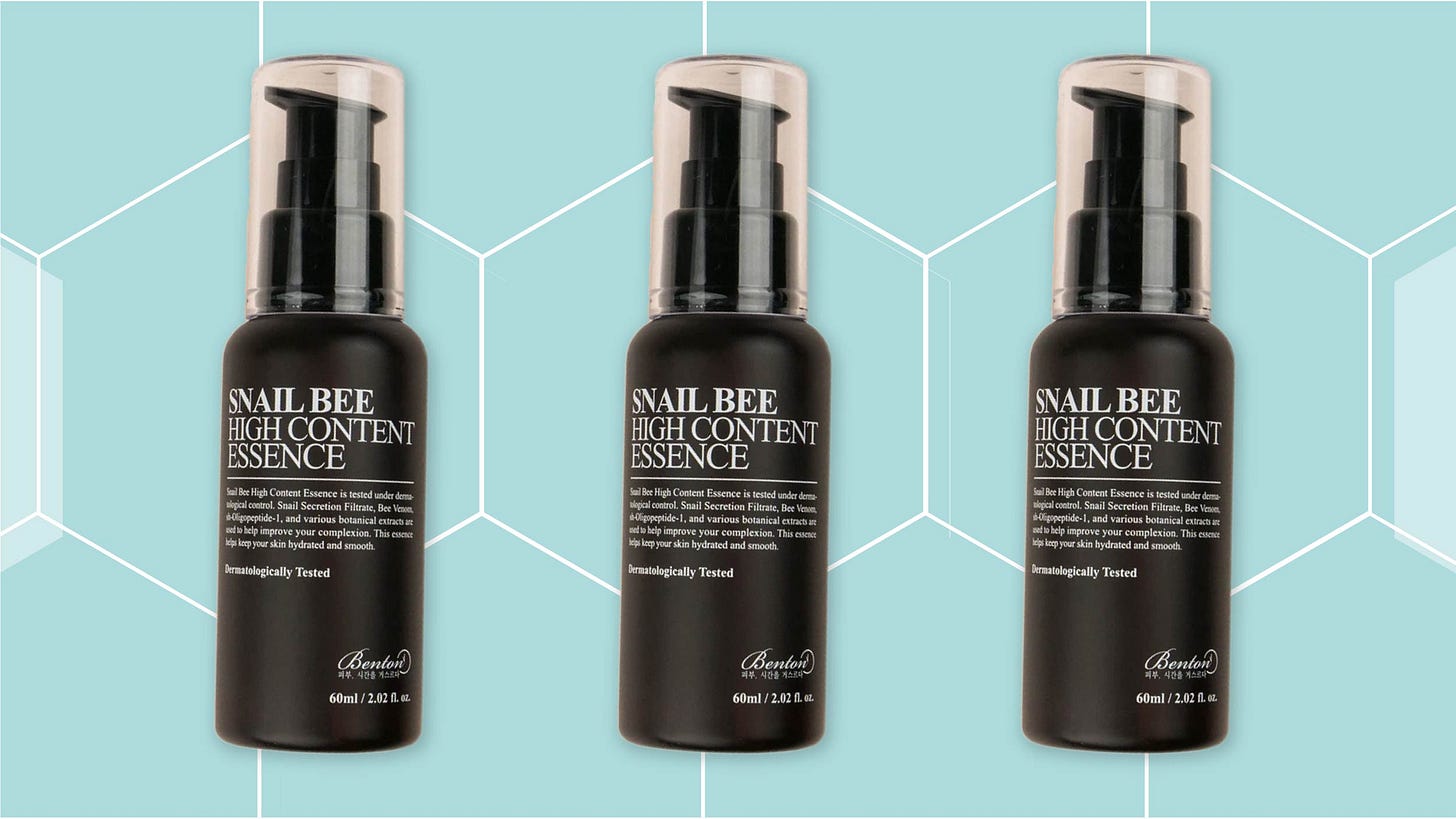
K-beauty leads with advanced fermentation techniques that make ingredients work better, breakthrough products like cushion compacts and micro-needling patches, and unique ingredients like snail secretion and bee venom (YES, bee venom) that have been clinically proven to work. Korean brands consistently create beauty trends 5-20 years before everyone else catches on, backed by serious R&D investment and government support.
The US opportunity is huge because American consumers are shifting toward prevention-focused skincare (known as Passive Beauty). They’re adopting Korean multi-step routines that focus on skin health instead of just covering up problems. This creates ongoing demand for specialized products, tools, and education about how to use them.
No question - Korean beauty has become the dominant force shaping modern skincare and how people take care of their skin.
Korean Beauty Innovations
Glass Skin philosophy - Korean prevention-focused approach achieving translucent, poreless complexion through layered hydration and barrier optimization
Ginseng extracts - Traditional ginsenoside preservation techniques providing anti-aging benefits and circulation enhancement through centuries-refined extraction methods
Rice water treatments - Ancient court beauty secrets using fermented rice washing to create amino acids and vitamins for skin brightening and texture improvement
Fermentation technology - Korean fermentation techniques applied to beauty ingredients, creating enhanced bioavailability and deeper penetration through scientific fermentation processes. Microorganisms break down larger molecules into smaller, more absorbable components like amino acids, peptides, and antioxidants that can penetrate skin more effectively than their unfermented counterparts.
Sheet mask culture - Korean innovation that evolved from traditional facial “pack” treatments, creating an entirely new skincare category that now represents a $3+ billion global market segment
Snail secretion filtrate - Korean beauty ingredient discovered through observations of snails’ natural healing properties, now scientifically extracted and formulated for wound repair and skin regeneration
BB cream innovation - Korean-developed “Beauty Balm” concept combining skincare and makeup, creating entirely new product category adopted globally
Cushion compact technology - AmorePacific’s patented delivery system revolutionizing foundation application through innovative packaging and formulation
Multi-step routine systems - Systematic layering approach using toners, essences, serums, and moisturizers for targeted skin concerns and optimal product absorption
Beta glucan applications - Advanced polysaccharide technology from traditional Korean medicinal practices providing immune support and anti-inflammatory benefits for sensitive skin
8. Textured Hair & Melanin-Rich Skincare
Investment Thesis: Textured hair and melanin-rich skincare represent a significant underserved opportunity within the $14+ billion US hair care market and $30+ billion US skincare market driven by unique structural characteristics and cultural beauty traditions that mainstream brands have historically ignored, creating significant white space for authentic products that deliver superior performance through specialized formulations and community-based development. With 60-70% of the world’s population having textured hair marked by elliptical cross-sections, reduced sebum distribution, and increased fragility, and the American beauty industry historically catering to European standards / research, there is a massive $2.6Bn opportunity to create a more equitable offering, according to Mckinsey.
With regard to skincare, melanin-rich skin’s increased hyperpigmentation susceptibility, different aging patterns, and unique responses to active ingredients demand unique formulations like turmeric, kojic acid, and indigenous plant medicine to reach product parity.
There is, however, a high bar of trust and legitimacy to meet in the beauty industry, by brands that do so will be able to become mainstays in this still open market. Mielle Organics famously lost trust within the Black community after its 2023 Procter & Gamble acquisition sparked fears about formula changes and “selling out”. Customers even reported skin irritation and hair loss after the acquisition, marking a dramatic reversal in the company’s position among the community it originally set out to serve.
Side Note: The bar is literally on the floor here. Today, extensions for braided hair, a very popular style in the African American community (Cornrows are actually my go-to style), are riddled with disgusting toxins (like Benzene, Lead, and Acetone) hidden in their synthetics. It is not an understatement to say that these spaces are dramatically underserved.
Textured hair opportunities
Cleansing Products - Formulations with gentle surfactants like coco glucoside preserve natural sebum essential for textured hair. Co-wash conditioners provide moisture-retaining cleansing for fragile curl patterns. Oil-based cleansers remove buildup without stripping protective oils from porous hair strands.
Conditioning - Deep conditioning treatments with shea butter penetrate textured hair’s porous structure for intensive moisture. Leave-in formulas with glycerin provide humidity control and detangling slip for fragile curls. Hot oil treatments using black castor oil strengthen hair weakened by elliptical cross-sections.
Textured Hair Treatments - Protein treatments with hydrolyzed keratin rebuild cuticles damaged by chemical processing and manipulation. Traditional formulations like rice water and chebe powder provide strengthening for Afro-textured hair types. Scalp treatments with peppermint oil stimulate circulation to follicles compromised by tight styling.
Styling Creams - Curl-defining formulas with flaxseed gel provide hold while maintaining moisture for coily textures. Edge control products with beeswax offer strong hold for fragile hairline areas. Heat protectant formulations with silicones create thermal barriers for naturally low-moisture hair.
Melanin rich skin opportunities
Hyperpigmentation Products - Vitamin C formulations target post-inflammatory hyperpigmentation common in melanin-rich skin. Treatments like kojic acid and alpha arbutin inhibit tyrosinase specifically active in darker skin. Traditional ingredients like turmeric and niacinamide address inflammation and melanin transfer unique to pigmented skin.
Skin Treatments - Formulations like azelaic acid treat acne and hyperpigmentation simultaneously in melanin-rich skin. Gentle retinoid treatments promote cell turnover without irritation common in sensitive pigmented skin. Products with tea tree oil provide antimicrobial benefits without harsh drying effects.
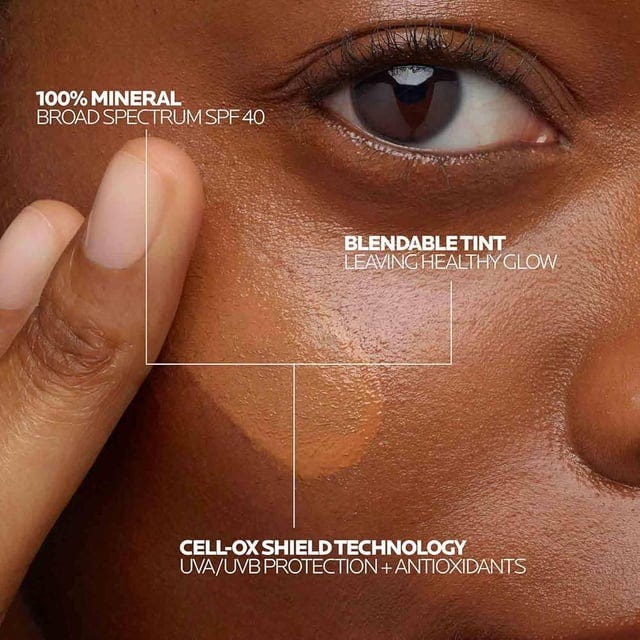
Sun Protection - Mineral formulations with micronized zinc oxide prevent white cast on darker skin. Tinted SPF products contain iron oxides matched to deeper undertones for invisible protection. And chemical sunscreen formulations absorb UV without ashy residue on melanin-rich skin.
Cosmetics - Color-correcting formulations in orange tones neutralize discoloration patterns in darker skin. Foundation products with iron oxide pigments provide coverage for complex melanin undertones. And warm-toned highlighter formulations enhance natural luminosity without creating unnatural contrast.
Part 3: Cultural Innovation Framework
Framework Overview
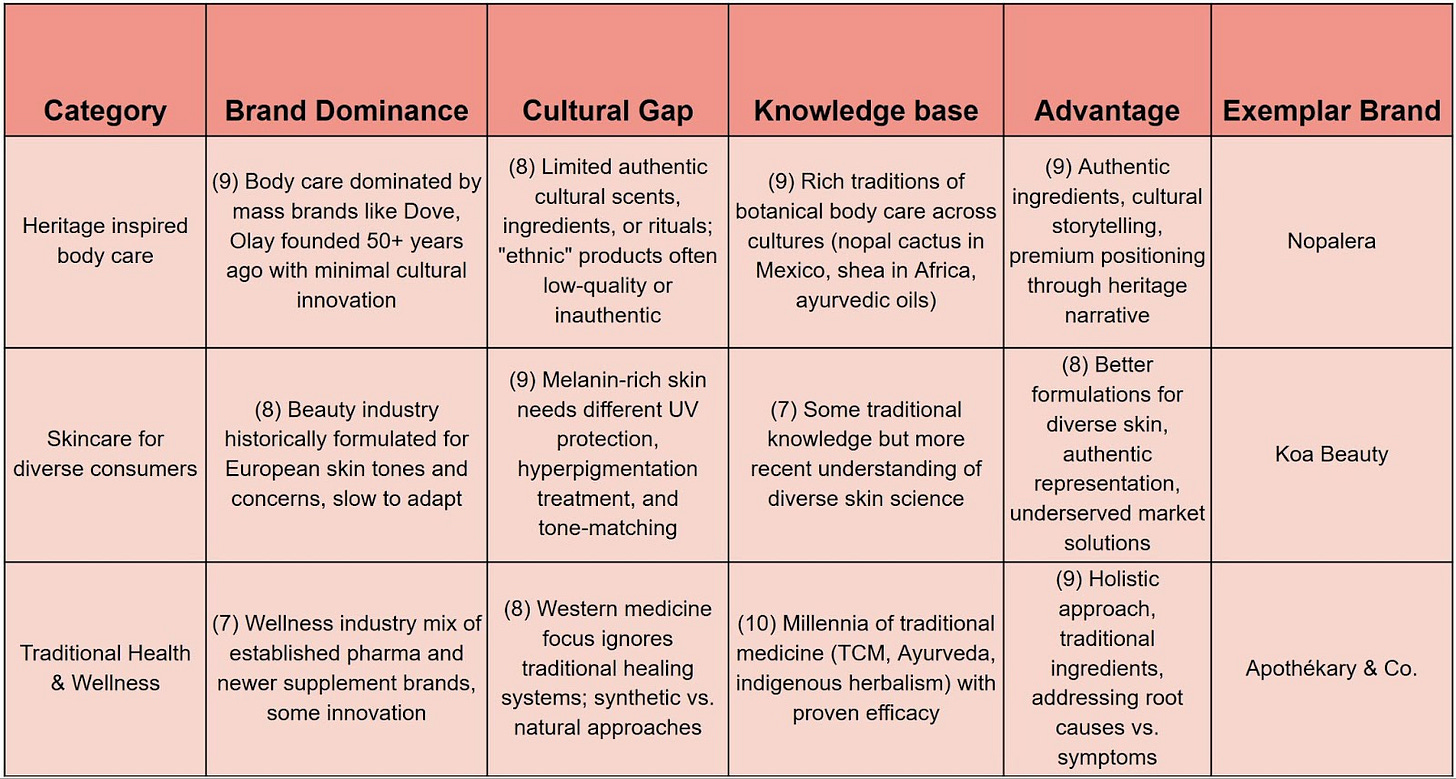
This framework identifies CPG categories vulnerable to disruption by cultural heritage brands through four key indicators that reveal market gaps and competitive advantages.
When and How to Use This Framework
1. White Space Identification: Use this scoring system to evaluate a category and assess the potential for heritage-based innovation. While I have already identified 8 significant white spaces using this methodology, countless other categories remain unexplored and could benefit from cultural disruption. (i.e., Premium fragrances using African botanicals, marketed to the Black diaspora)
2. Brand Validation: Apply these four indicators to assess whether an existing or potential cultural CPG brand truly has the market conditions and competitive advantages necessary for successful disruption.
The framework can be applied by rating any CPG category 1-10 on each indicator, then analyzing the results to determine investment potential or strategic direction.
The Four Core Indicators
1. Legacy Brand Dominance
How entrenched and stagnant are the current market leaders? Bonus points if they are P&G, Unilever, Pepsi, Coca-Cola, etc.
High Disruption Potential:
Market controlled by 2-3 major players
Limited innovation or product launches in past decade
Generic “mass market” positioning without cultural specificity
Bonus: strong margins suggest room for premium cultural positioning
2. Cultural Gap & Pain Points
Does current variety ignore cultural perspectives? What pain does this cause communities?
High Gap Indicators:
Representation Pain: Products don’t work for diverse use cases or needs
Identity Pain: No cultural scents, flavors, or aesthetics that feel like “home”
Quality Pain: “Ethnic” versions are lower quality, confined to specialty aisles
Authenticity Pain: Cultural products made by outsiders who just simply get it wrong
3. Cultural Knowledge Base
Does rich traditional knowledge exist that can be leveraged?
Indicators of a strong knowledge base:
History of traditional practices and recipes. Evidence of workarounds or replacements.
Indigenous preparation methods with proven benefits
Cultural ceremonies, rituals, or daily practices around the category
Generational knowledge passed down through families/communities that may not be formally archived yet.
4. Cultural Advantage Potential
What superior benefits or market advantages can cultural entrants provide?
Types of Advantages:
Functional Superiority: Traditional ingredients/methods work better
Cultural Resonance: Authentic flavors, scents, textures that feel like identity
Underserved Solutions: Products that actually solve community-specific problems
Innovation Opportunity: Traditional knowledge applied with modern science
Cultural CPG Disruption Framework In Practice
Part 4: Standout Brands
1. Alternative & Ancient Grains
Selected Standout Brands
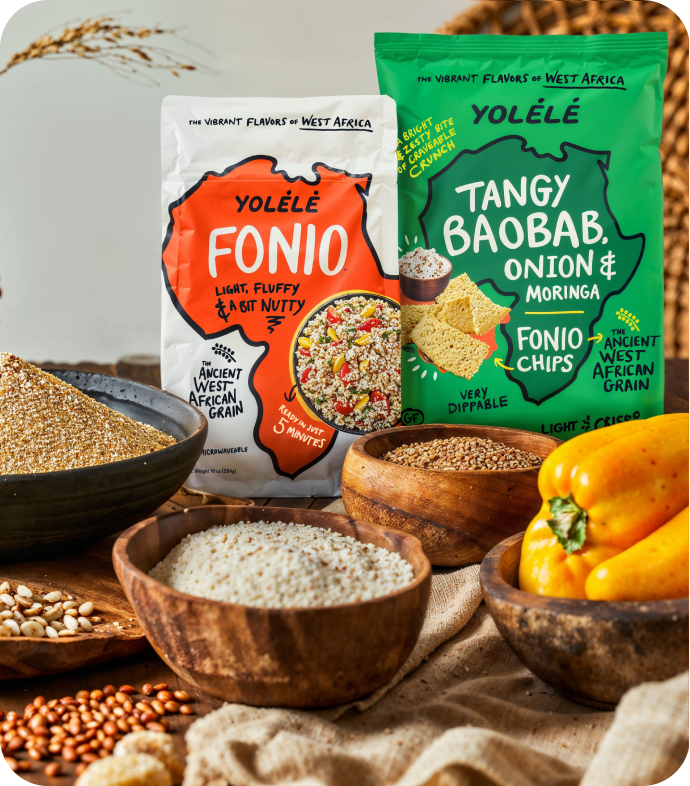
Choputa- Founded in 2020 by Nigerian-American Uche Jumbo, Choputa creates instant breakfast cereal using fonio, an ancient West African grain with over 4,000 years of history. The brand makes the “world’s first-ever fonio cereal” that’s naturally gluten-free, vegan, and contains 5g of protein per serving.
Berhan Grains - Ethiopian teff specialists working directly with Ethiopian farmers. The brand focuses on authentic sourcing and addresses the growing demand for gluten-free ancient grains.
Additional Brands
Yolélé- West African food company featuring fonio grain with sustainable farming practices.
Moyū - Gluten-free baked goods made with konjac flour from Japanese root vegetables.
2. Heritage Staples
Selected Standout Brands
Brooklyn Delhi - Indian meal starters and cooking sauces created by a cookbook author and artist. Makes traditional Indian flavors easy for home cooking with premium ingredients and expert recipes.
Gamsa Foods - Korean-inspired instant savory oatmeal based on juk, “the Korean rice porridge that has brought comfort to generations.” The brand reimagines traditional juk that “takes hours to prep and make” into “a quick and nourishing meal” for busy mornings.
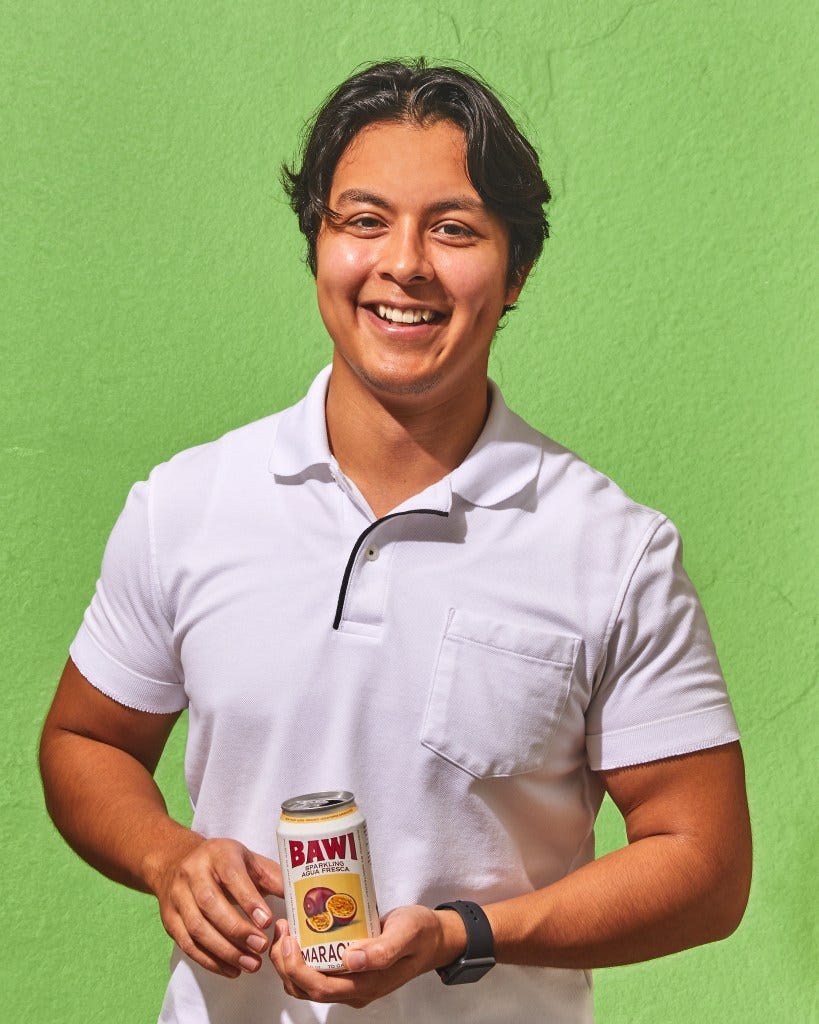
BAWI- Mexican sparkling agua fresca inspired by the founder’s childhood in Monterrey, Mexico. Brings the 3,000-year tradition of agua fresca to modern ready-to-drink format with flavors like El-Limon, La Guayaba, and La Pina.
Additional Brands
Nguyen Coffee Supply - First specialty Vietnamese coffee company in the US using traditional phin brewing.
Kolkata Chai Co. - Authentic street-style masala chai with organic Assam tea.
Bollygood- Indian-inspired sparkling drinks.
Deep Indian Kitchen - Homestyle Indian food based on family recipes.
Brazi Bites - Brazilian cheese bread bites.
3. Fermented and Alcoholic Cultural Beverages
Selected Standout Brands
De La Calle - First brand bringing tepache (fermented pineapple drink) with 3,000 years of Mexican history to US stores.
Drink Sool - Korean alcohol brand focused on bringing traditional Korean spirits to global markets.
Additional Brands
Drink SWRL - Canned Korean makgeolli “seltzer” with fruit flavors.
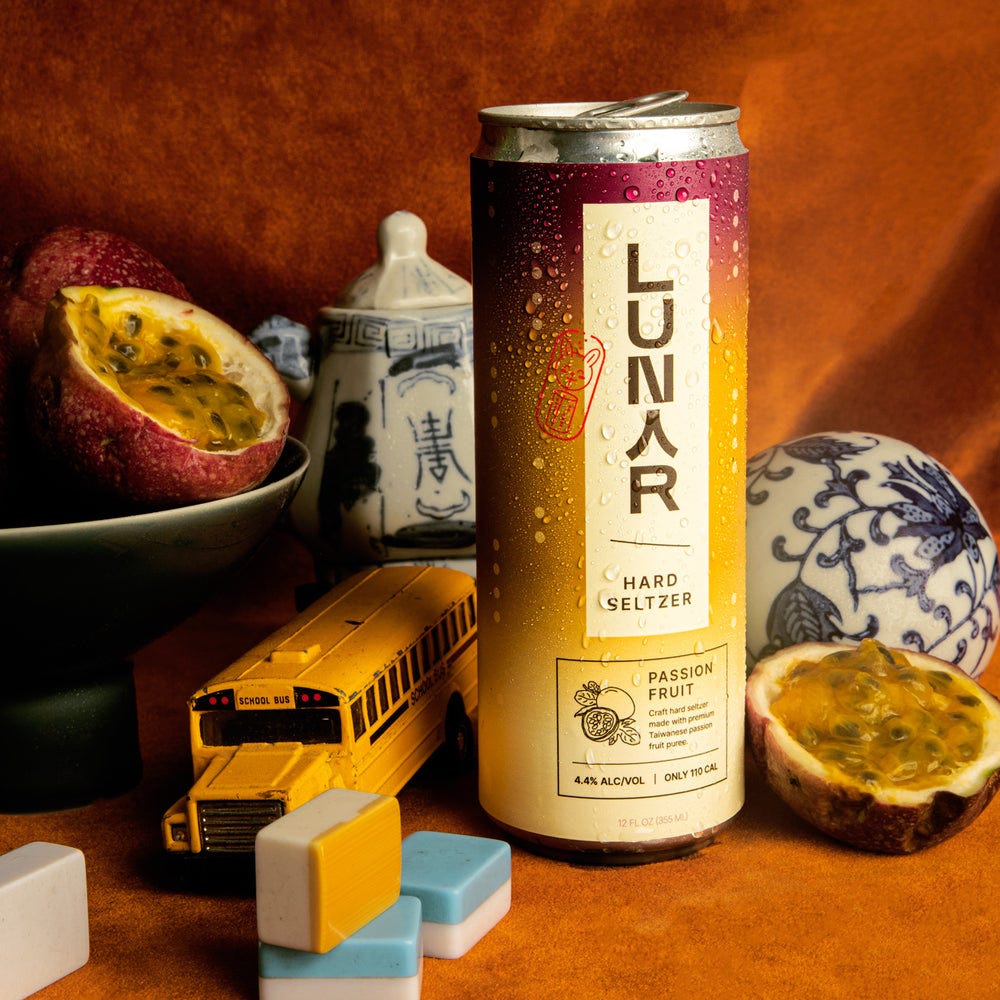
Lunar Seltzer - Hard seltzer with Asian fruit flavors.
4. Global Spices, Seasonings, and Flavors
Selected Standout Brands
Droosh- Pre-mixed Indian spice blends created by three Indian-American cousins. Makes authentic Indian cooking accessible with blends like “The Icon,” “Everyday,” and “Chaat Party”.
Sababa Foods - Middle Eastern foods starting with Saturday Sauce, a tomato-based blend inspired by the founder’s father’s matbucha recipe.
Additional Brands
Seoul Sisters - Korean seasoning mixes including Kimchi Seasoning Mix.
Podi Life - South Indian seasonings and instant meals based on family recipes.
Live Loud Foods - Gourmet candied nuts with flavors like Caribbean Jerk.
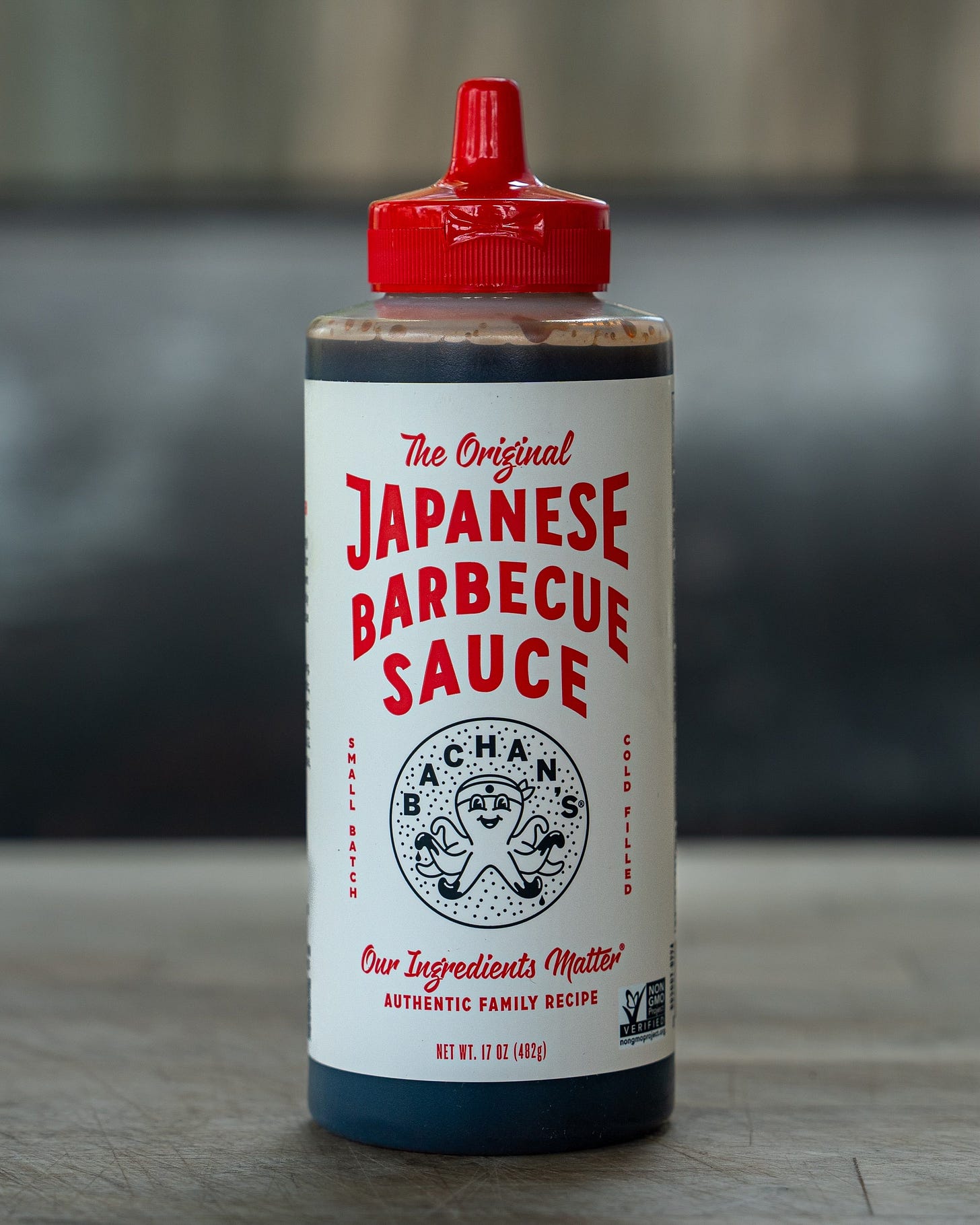
Bachan’s - Japanese-inspired condiments and sauces. (a personal favorite of mine)
5. Traditional Beauty and Wellness
Selected Standout Brands
Squigs Beauty - Ayurvedic “Happy Headcare” that makes traditional Indian hair care fun and accessible. Founded by former beauty editor Nikita Charuza, who was frustrated with synthetic products and drew from childhood Ayurvedic treatments. Their Gooseberry Delight Hair Oil won Allure’s Best of Beauty 2023.
Apothékary - Japanese Kampo-inspired herbal “farmacy” bridging Eastern medicine with Western convenience. Founded by Shizu Okusa after a 15-year healing journey, combining traditional Japanese, Chinese, and Ayurvedic medicine with modern research.
Additional Brands
Sahajan - Ayurvedic-inspired skincare combining ancient wisdom with modern science.
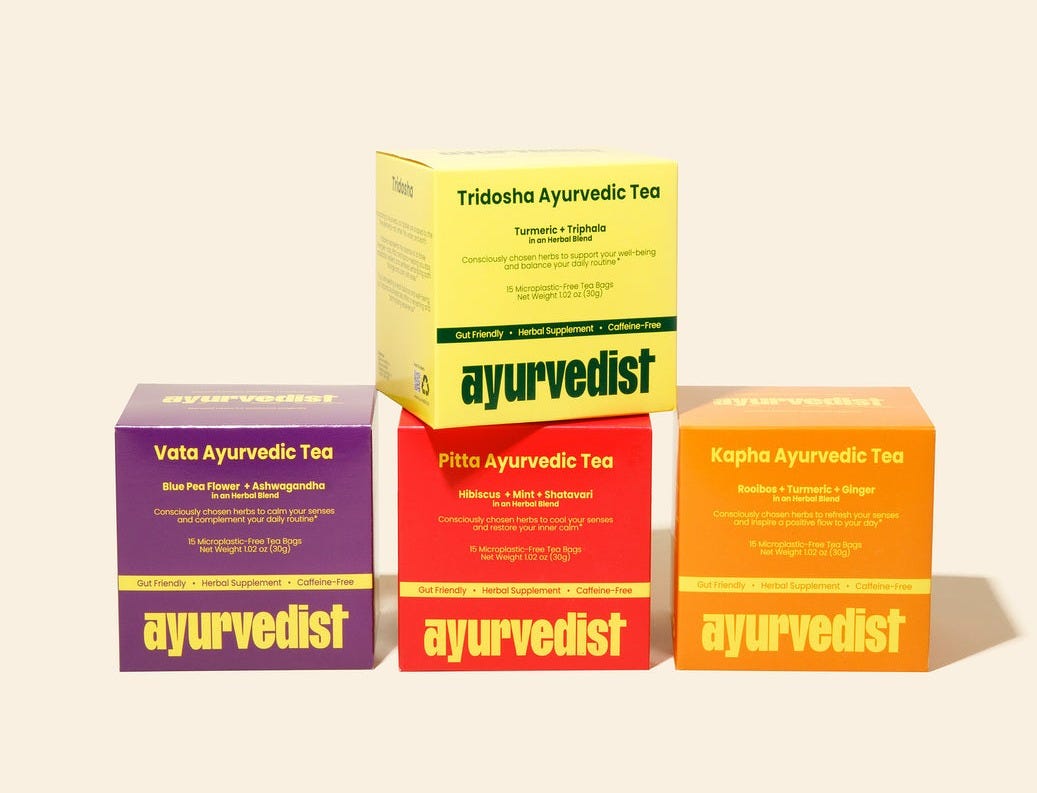
Ayurvedist - Caffeine-free Ayurvedic teas for wellness.
6. Superfoods with Cultural Roots
Selected Standout Brands
Iota Body - “Nutritional bodycare” combining 24 superfood vitamins and minerals with skincare actives like niacinamide.
Mikuna - Plant protein made from Chocho, an ancient Andean lupin grown by Indigenous farmers for over 1,500 years in Ecuador’s high mountains. Complete source of protein with all essential amino acids.
Additional Brands
Asha Pops - Ayurvedic enhanced snacks starting with popped water lily seeds.
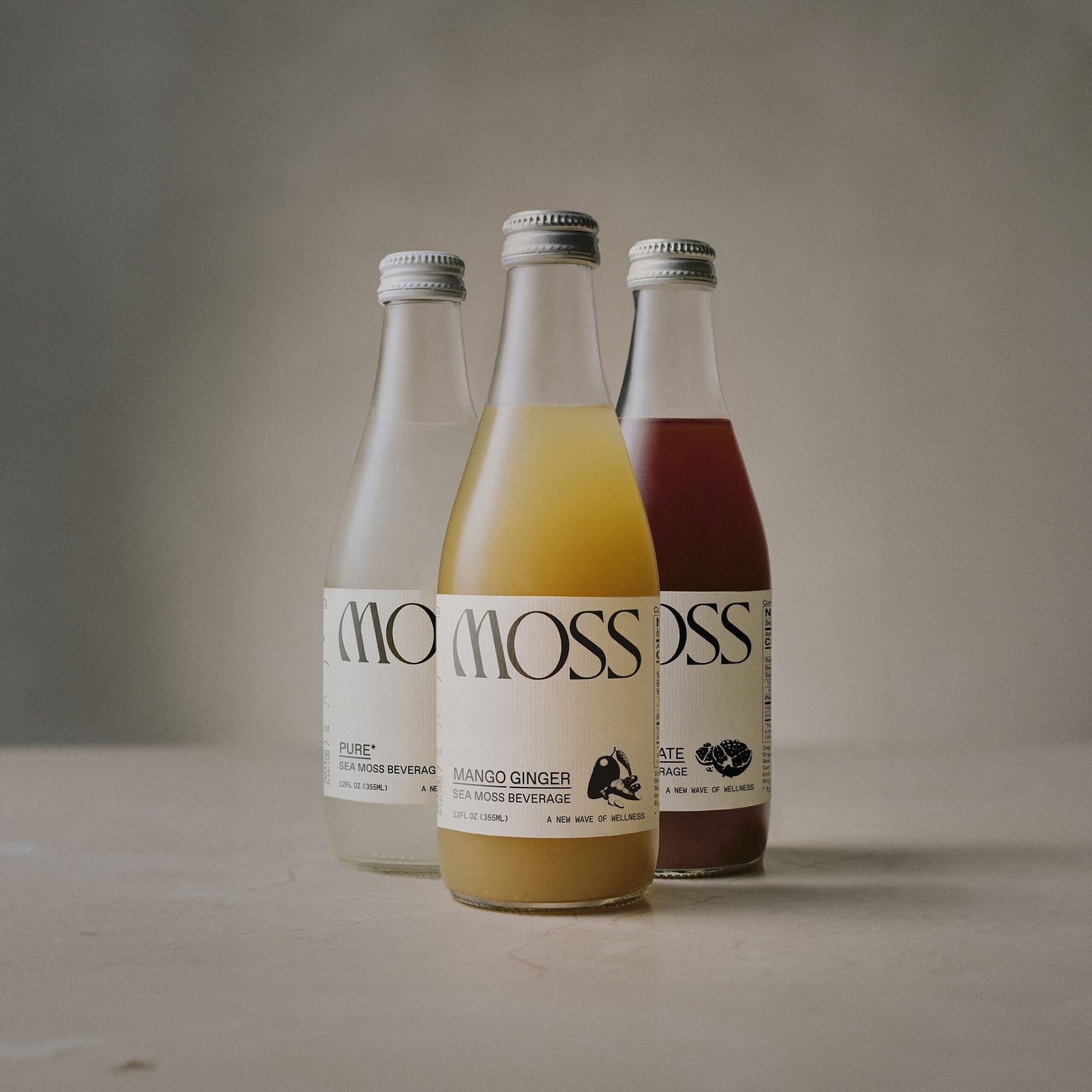
MOSS- Ready-to-drink sea moss beverages with 13,000mg sea moss.
Golde- Superfood products including matcha and latte blends.
Perfy Soda - Low sugar sodas with turmeric and ashwagandha.
7. K-Beauty
Selected Standout Brands
Then I Met You - Korean skincare with traditional ingredients and modern science for deeper skin connection. Premium K-beauty with authentic Korean heritage and ingredient innovation.
Venn Skincare - Brand leveraging over 20 years of Korean skincare research with clean, high-performance ingredients. Streamlined routines that don’t compromise on results.
Additional K-Beauty Brands
Super Egg - Premium K-beauty with clean, vegan, plant-based formulations
Saturday Skin - K-beauty creating “weekend in a bottle” skincare.

8. Textured Haircare & Melanin-Rich Skincare
Selected Standout Brands
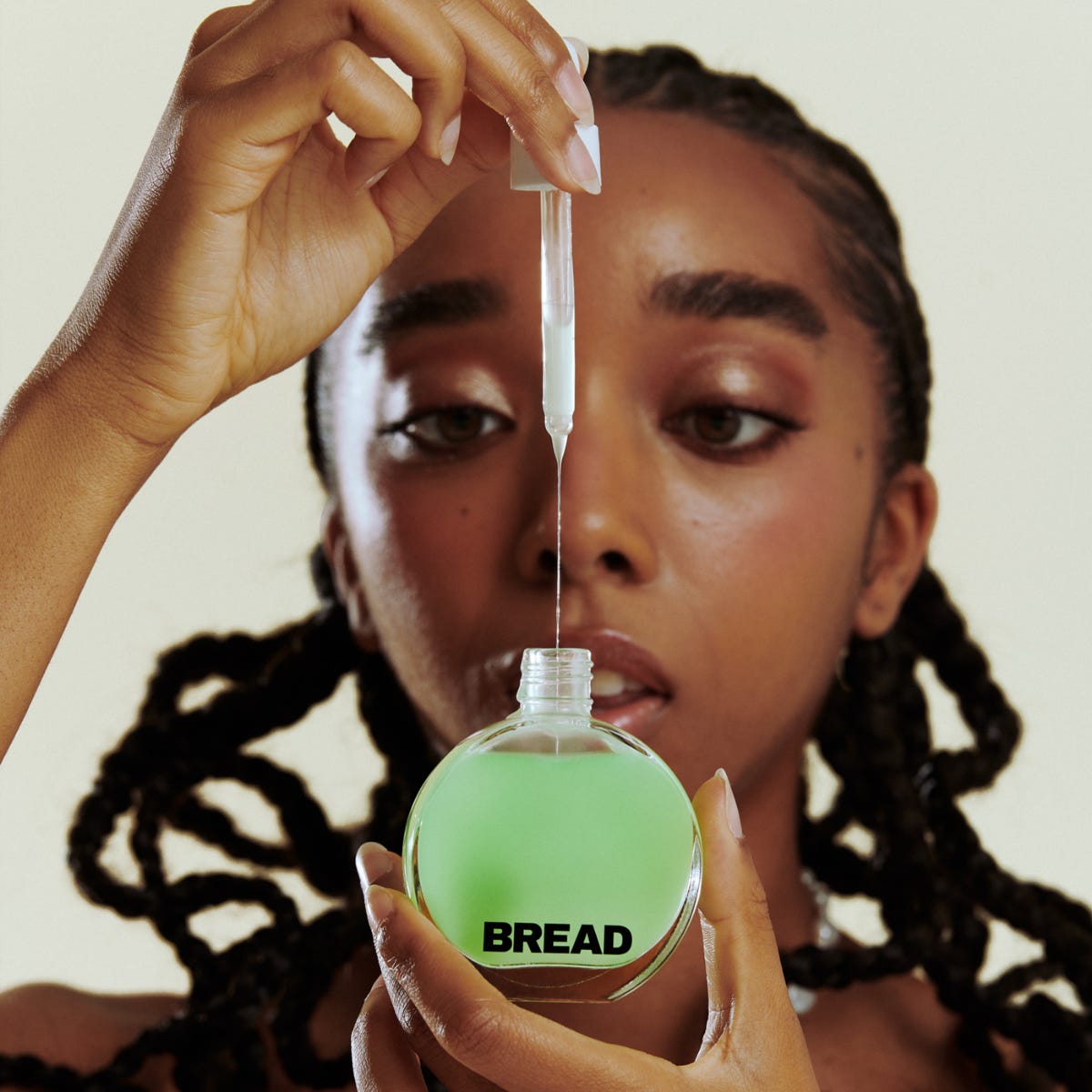
Topicals/BREAD - Topicals creates clinically-focused skincare for melanin-rich skin conditions like hyperpigmentation. In April 2025, founders Olamide Olowe and Sochi Mbadugha acquired BREAD Beauty Supply through their holding company Cost of Doing Business (CODB). BREAD creates products for textured hair that “normalize frizz and celebrate natural textures.”
Ocoa Beauty - Dominican-inspired curl care that rejects heavy oils and “hair assimilation” culture.
Additional Brands
Ami Colé - Clean beauty formulas specifically for melanin-rich skin.
Inala - Rice Water Complex haircare with clean ingredients.
Alaffia- West African fair trade ingredients (e.g., African Black Soap) in body care.
Conclusion
These brands show how authentic cultural knowledge combined with modern CPG treatment can create powerful market opportunities. They succeed by solving real problems for underserved communities while educating broader audiences about their cultural traditions.